
Last updated September 23, 2026
Whole-system duct and dryer vent check with before-and-after photos - you see exactly what came out of your vents
That "$99 whole-house special" is a bait ad - the real number appears once they are in your hallway, or the "clean" is a shop-vac at the register. We photograph the inside of your ducts before and after instead.
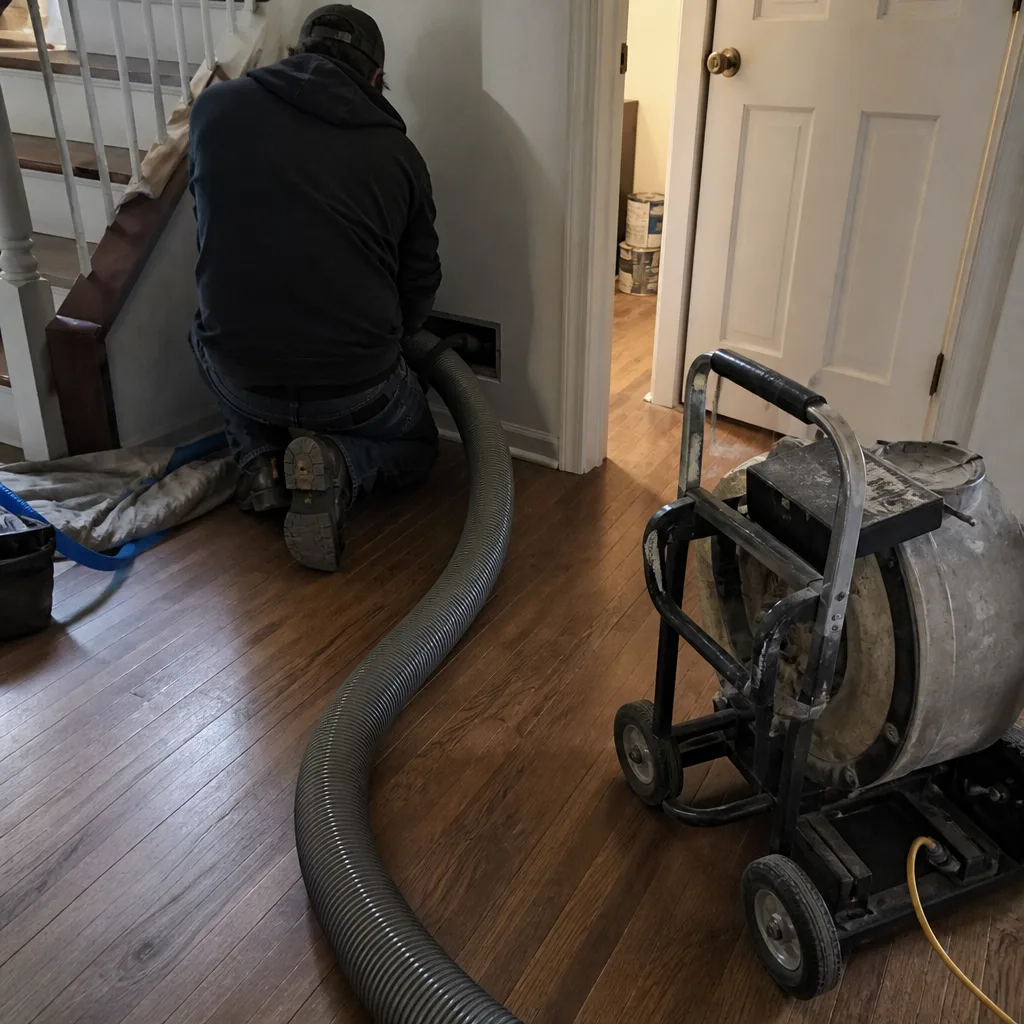 Before
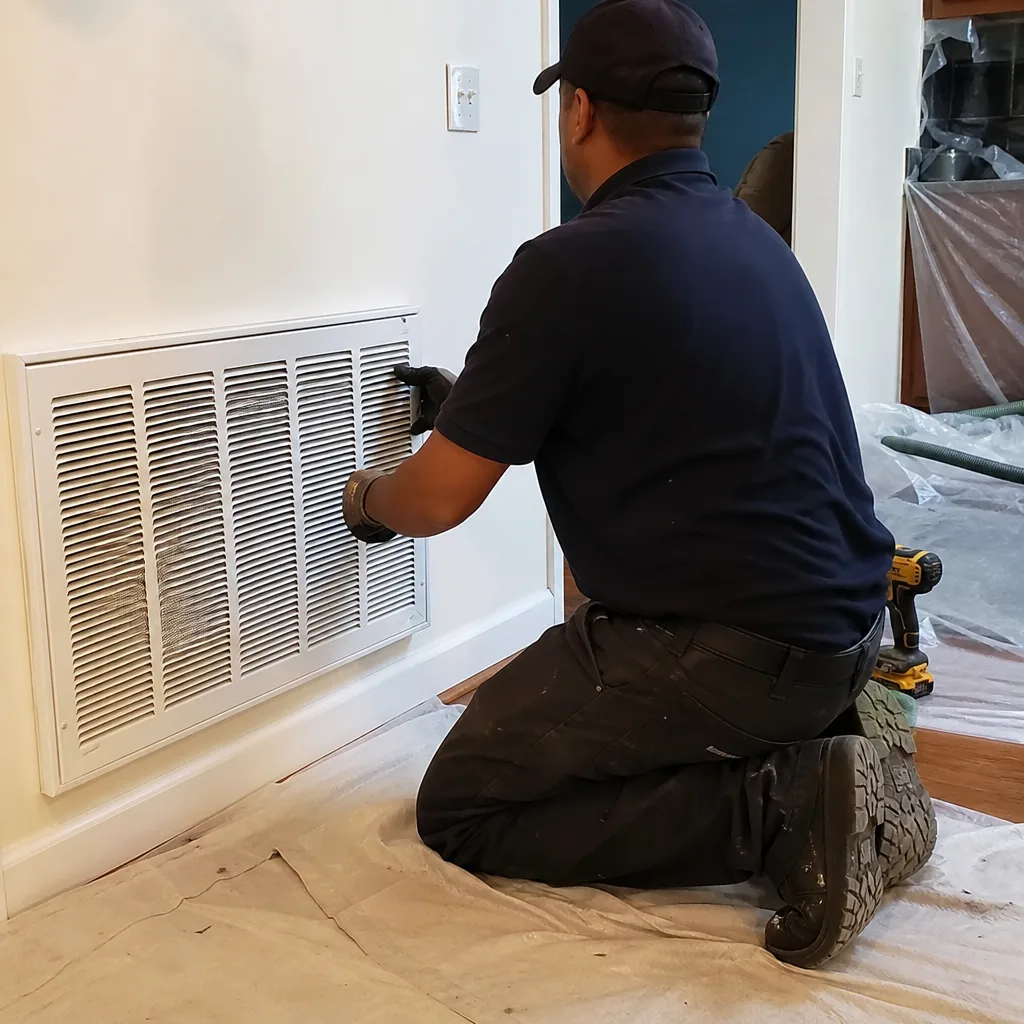 After
After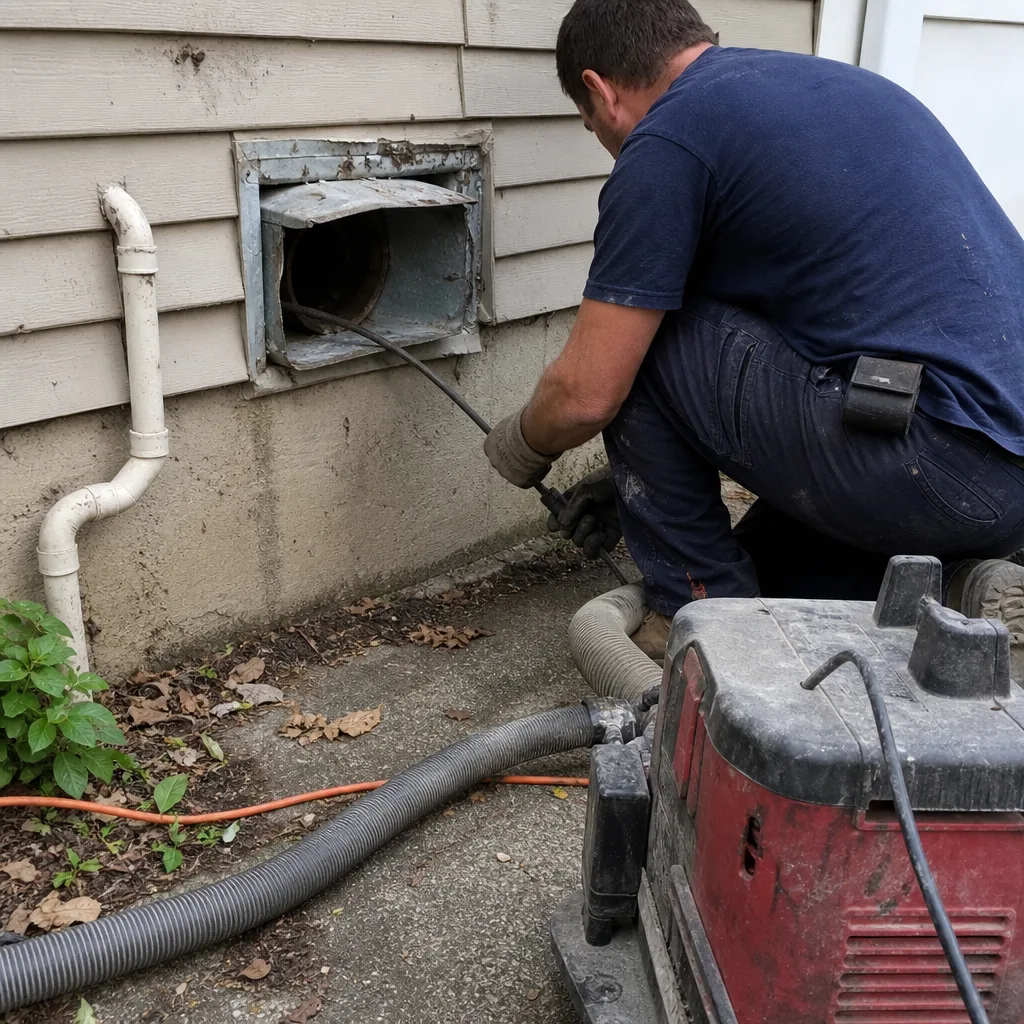 Before
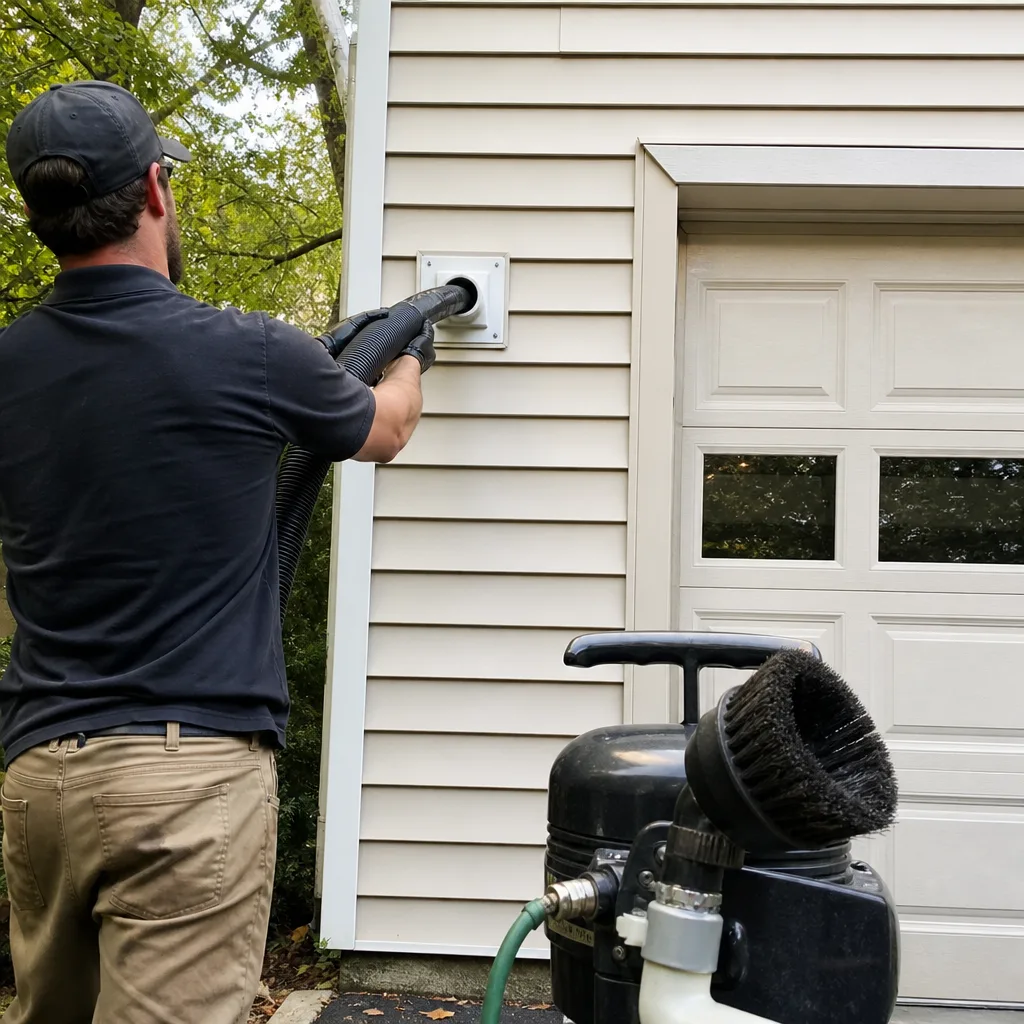 After
After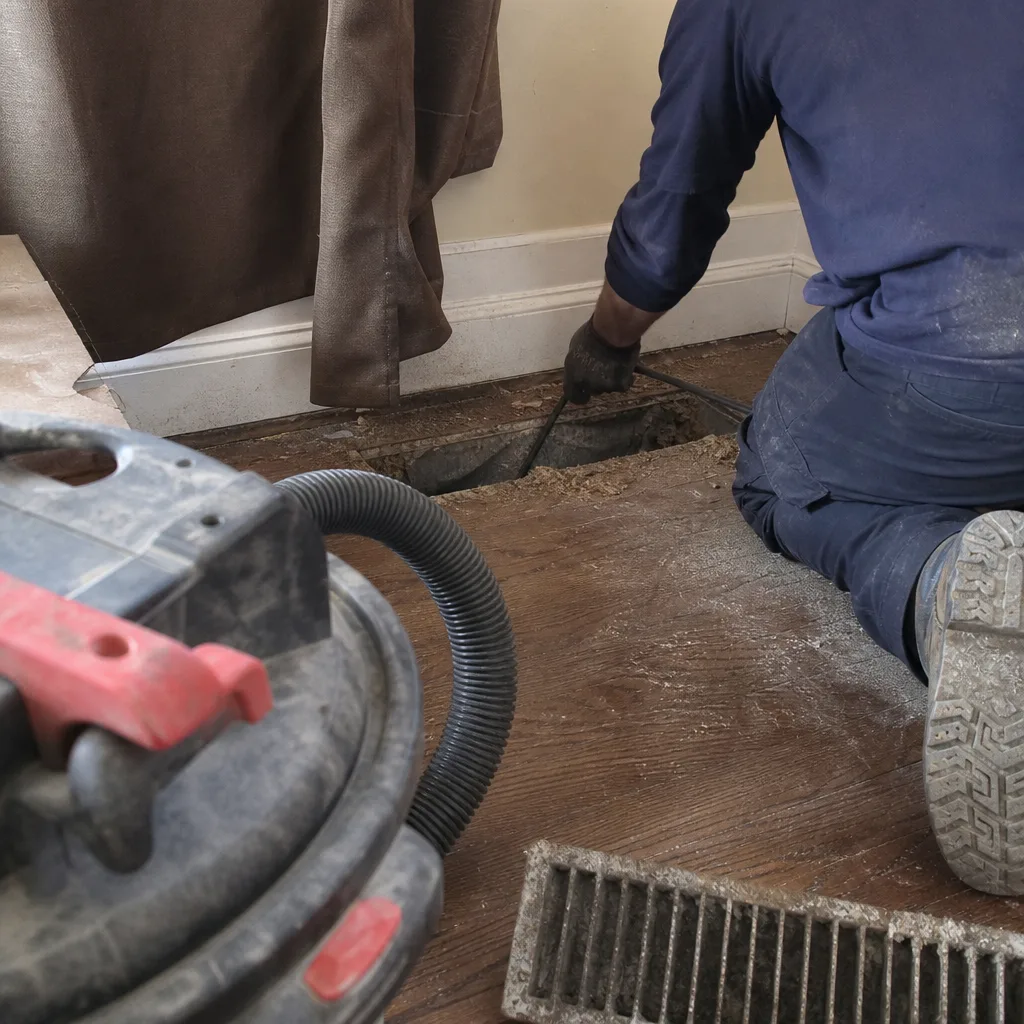 Before
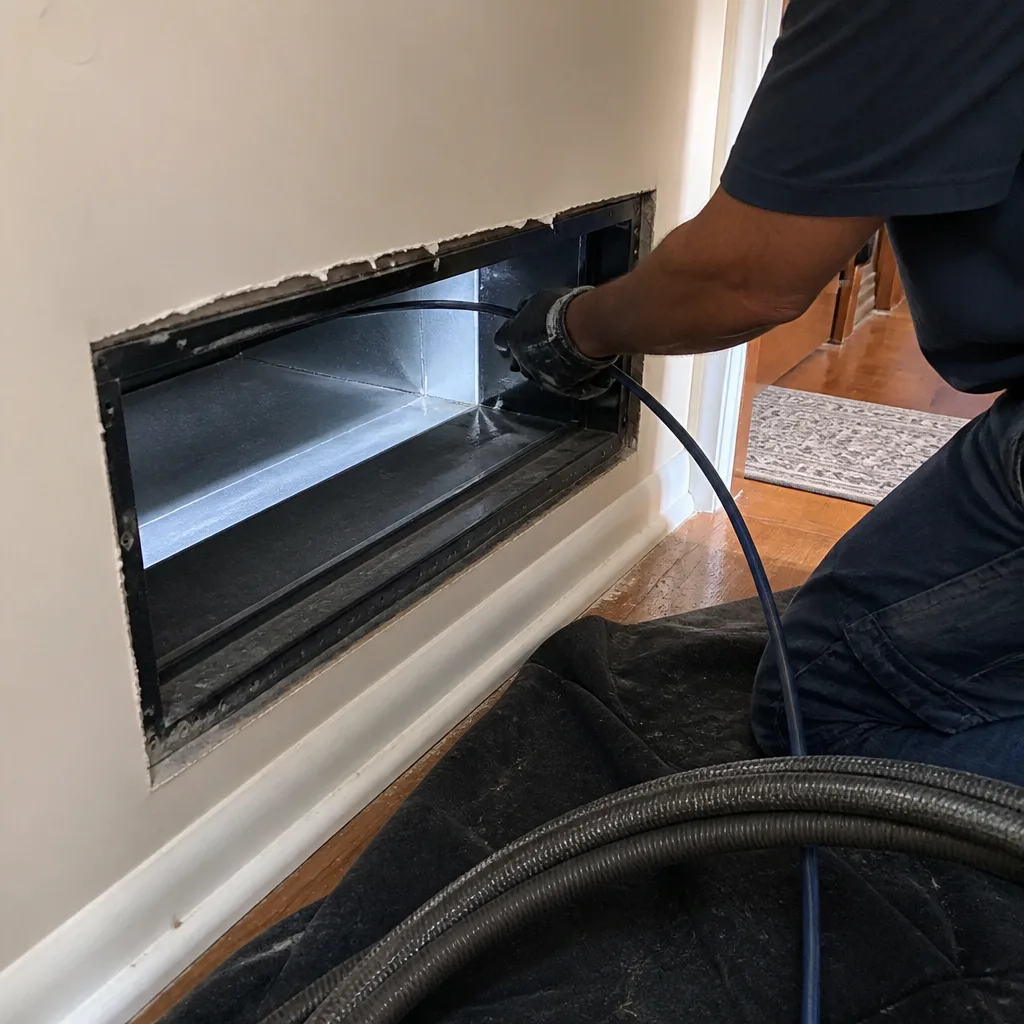 After
AfterDIY vs Professional Air Duct Cleaning: The Leesburg Homeowner’s Decision Guide
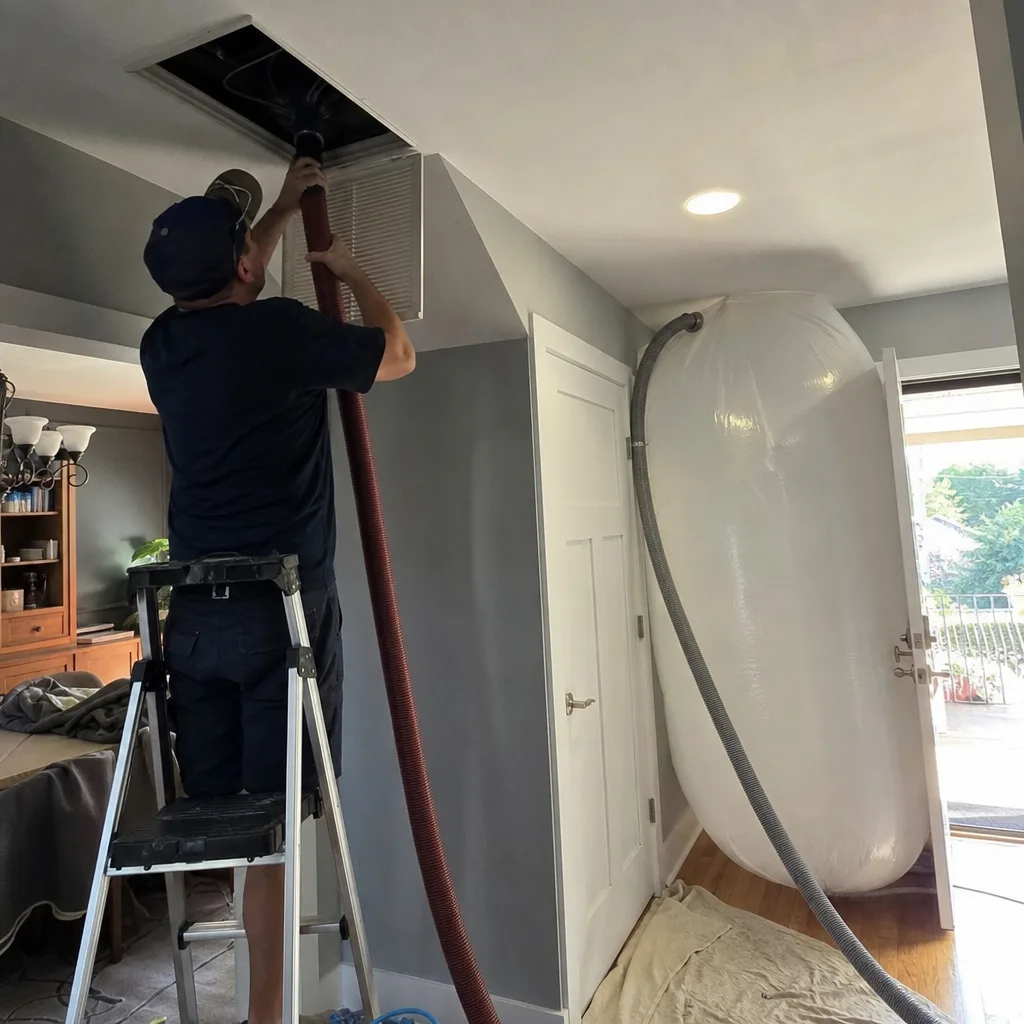
A HEPA shop vacuum pulling 120 CFM at the register opening cannot create the pressure differential needed to move debris from a 25-foot flex duct run. Professional truck-mounted negative-pressure systems operate at 4,000 to 8,000 CFM. That is not a marketing claim; it is fluid dynamics. In Leesburg, where new construction in neighborhoods like Lansdowne and Willow Creek has added thousands of homes with complex duct layouts since 2015, we’ve found that homeowners who attempt DIY duct cleaning often believe they’ve solved a problem they have actually redistributed. This guide explains the physics of extraction, the tasks that genuinely work when done yourself, the hidden costs most comparisons miss, and how to read a post-cleaning camera inspection so you know whether anything actually left the duct.
Quick Answer
DIY duct cleaning with consumer equipment cannot achieve negative-pressure extraction, which means fine particulate gets stirred up and redistributed rather than removed. For Leesburg homeowners, professional cleaning from a documented provider typically ranges from $450 to $850 for a whole-home system, includes before-and-after photography of every duct run, and carries a written guarantee. The genuine DIY tasks worth doing yourself are register washing, boot vacuuming with HEPA filtration, and dryer vent brushing; everything inside the sealed duct system requires equipment no rental center stocks.
Table of Contents
- The Physics of Negative-Pressure Extraction: Why CFM Matters
- What DIY Can Actually Accomplish (And What It Cannot)
- What DIY Looks Like on Camera: Debris Patterns That Tell the Truth
- Real Cost Comparison: Equipment, Time, and Hidden Expenses
- The Liability Question: Damage, Codes, and Insurance in Loudoun County
- How to Read a Professional Estimate in Leesburg
- Common Mistakes to Avoid
- When to Call a Professional
- Frequently Asked Questions
 Before
 After
AfterThe Physics of Negative-Pressure Extraction: Why CFM Matters
Air moves debris through a duct only when the pressure at the extraction point is lower than the pressure at the debris location. This is negative-pressure extraction. A standard shop vacuum, even a HEPA-rated model, generates positive pressure at its nozzle relative to the surrounding room air. When you stick that nozzle into a register, you are not pulling debris through 25 feet of flex duct; you are creating turbulent airflow at the opening that dislodges surface material and blows a portion of it back into the living space.
The numbers separate professional equipment from consumer tools conclusively:
| Equipment Type | Typical CFM | Static Pressure Capability | Effective Duct Run Length |
|---|---|---|---|
| Consumer HEPA shop vacuum | 100-150 CFM | 2-4 inches water column | 0-3 feet (register face only) |
| Portable HEPA extractor (rental) | 300-500 CFM | 6-10 inches water column | 5-12 feet (straight runs only) |
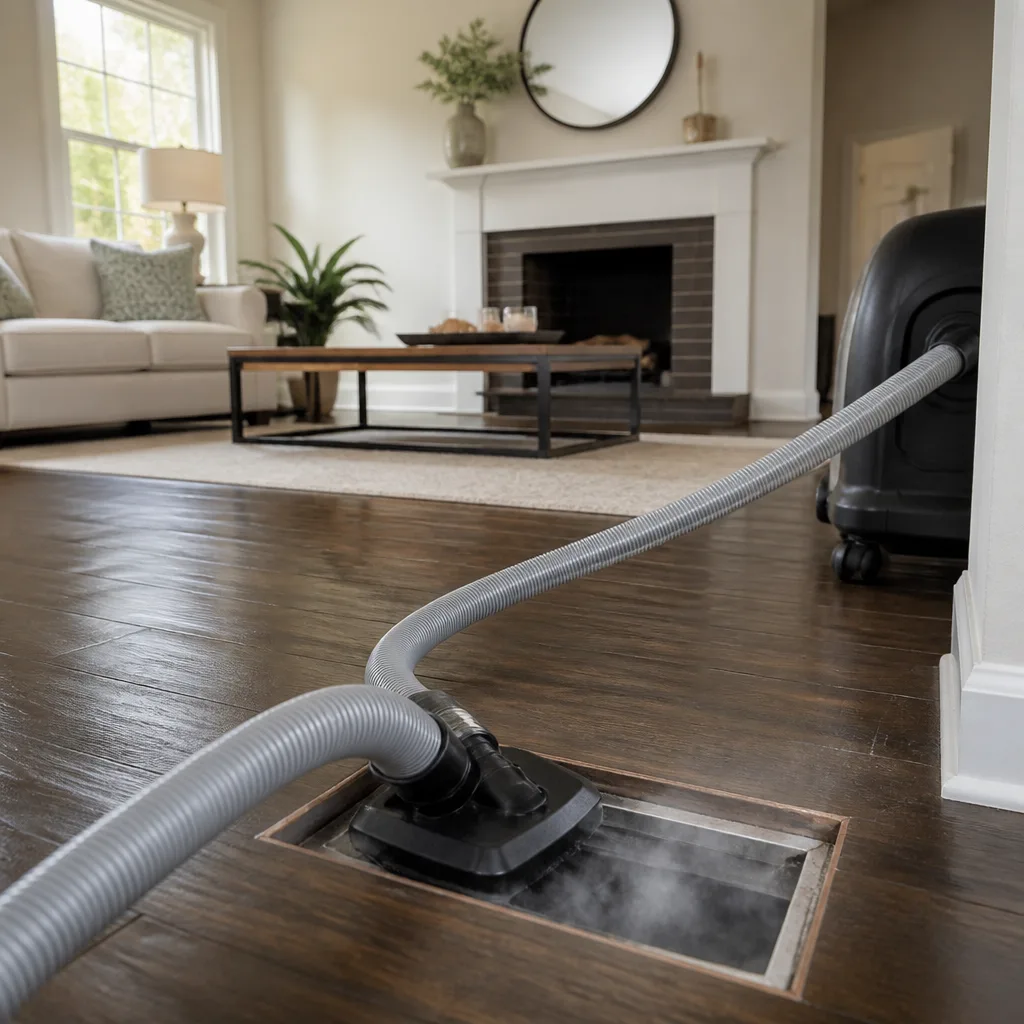
| Truck-mounted negative-pressure system (Nikro, Abatement Technologies) | 4,000-8,000 CFM | 12-20 inches water column | 50+ feet including elbows and transitions |
The critical threshold for moving settled debris through a standard 6-inch diameter flex duct with two 90-degree elbows is approximately 2,000 CFM at the register boot. No rental equipment achieves this. In Leesburg’s newer subdivisions, particularly in One Loudoun and the villages south of Route 7, duct runs routinely exceed 30 feet to reach second-floor bedrooms across open-concept floor plans. Those runs cannot be cleaned without truck-mounted power.
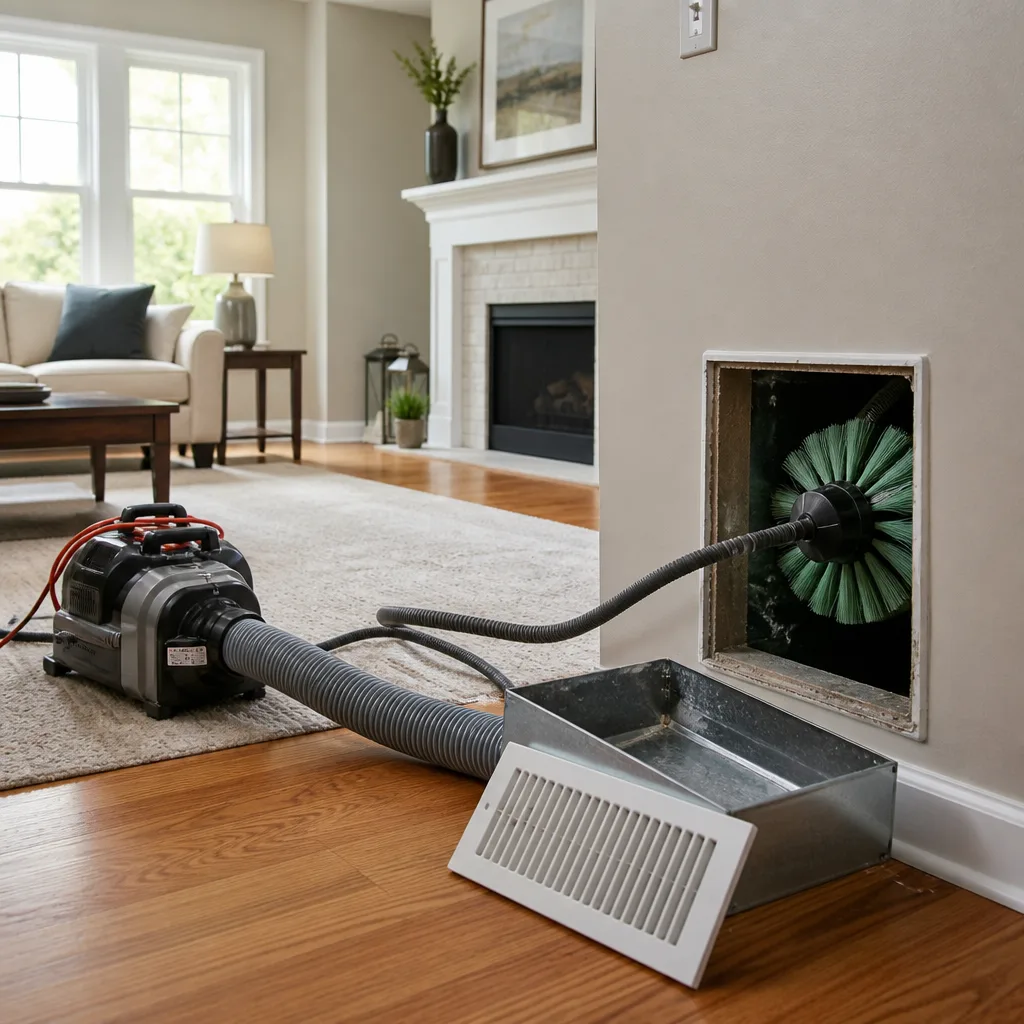
Rotobrush and similar rotary brush systems, when used with adequate negative pressure, physically agitate debris from duct walls while simultaneous suction prevents redistribution. The brush breaks the adhesion between particulate and metal; the airflow transports it to the collection unit. Without both components operating at sufficient specification, you have agitation without extraction, which is worse than doing nothing.
We’ve documented this in Leesburg homes where homeowners ran a shop vacuum for hours before calling us. The camera shows a telltale pattern: debris lines scratched into the dust layer where the vacuum hose contacted the duct wall, but the layer itself still present, now partially loosened and more easily airborne when the HVAC cycles on.
What DIY Can Actually Accomplish (And What It Cannot)
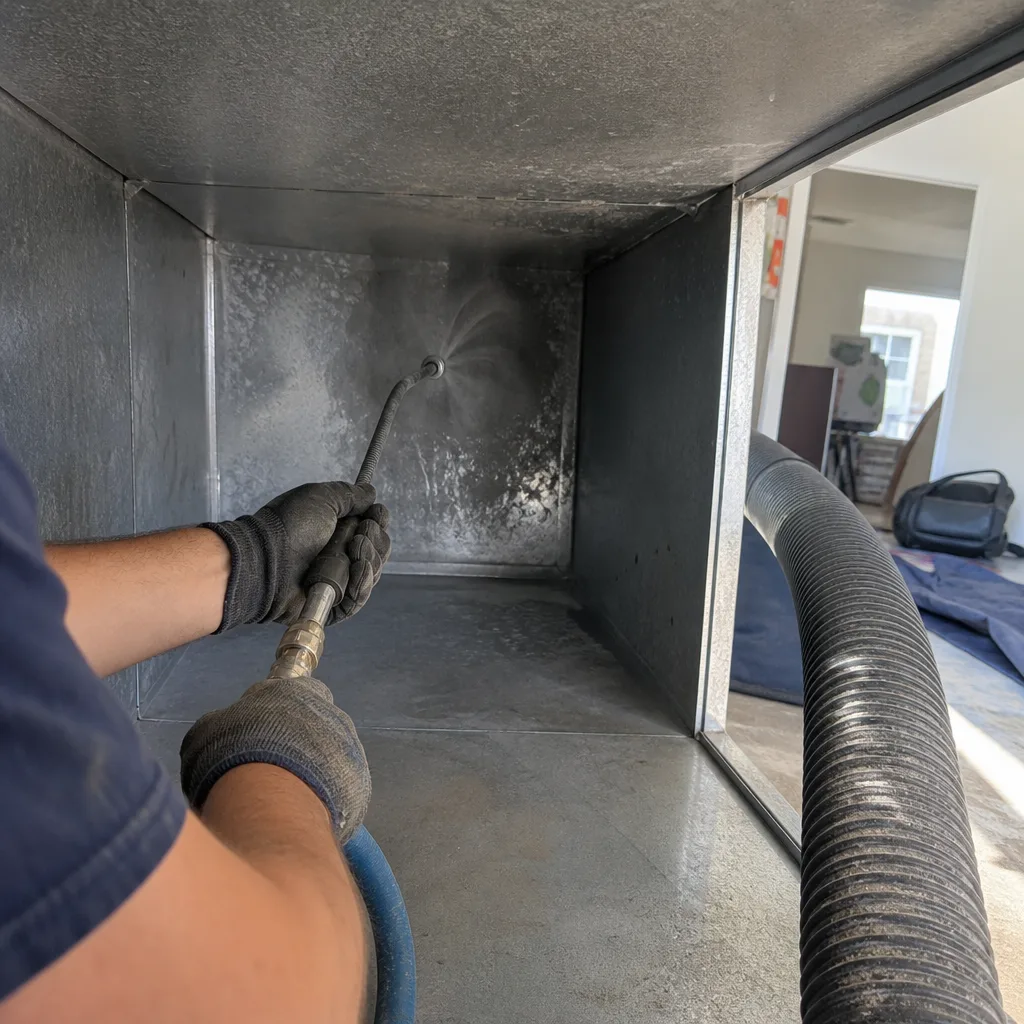
Some duct-adjacent tasks are genuinely effective when performed by a homeowner with basic tools. The distinction matters because it prevents wasted effort and identifies where professional equipment becomes necessary.
Tasks Worth Doing Yourself
- Register and grille washing. Remove floor and wall registers, soak in warm water with mild detergent, scrub with a brush, dry completely before replacement. This removes the visible debris accumulation that recirculates into room air. No special equipment needed.
- Boot vacuuming with HEPA filtration. The boot is the sheet-metal transition between the register opening and the duct run. A HEPA vacuum with a crevice tool can remove loose material here, provided you work slowly and seal the register opening with a towel to prevent blow-back. This reaches 6-12 inches into the system, not the full run.
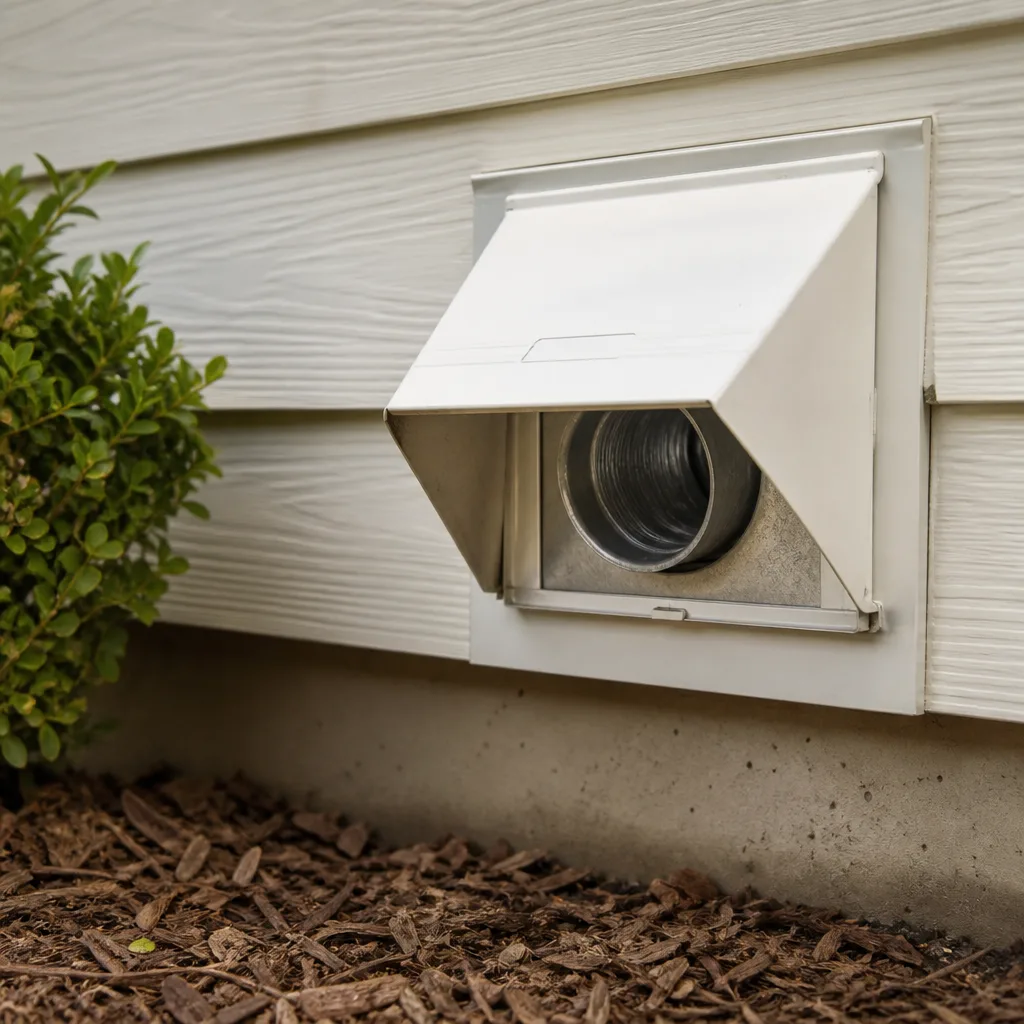
- Dryer vent brushing. A rotary dryer vent brush kit, operated from the exterior termination with the dryer disconnected, can remove lint accumulation in the straight or gently curved vent line. This is a fire safety task, not an air quality task, and it is within homeowner capability for single-story runs under 15 feet. For longer runs, multi-story configurations, or vents with multiple elbows, Dryer Vent Cleaning in Leesburg by a professional reduces fire risk and maintains manufacturer warranty on the appliance.
- Filter replacement on schedule. A MERV 11 or higher pleated filter, changed every 60-90 days during heavy-use seasons, prevents debris from entering the duct system. This is the highest-ROI task any homeowner can perform.
Tasks That Require Professional Equipment
- Full duct run cleaning, including trunk lines and branches
- Plenum (the central distribution box attached to your air handler) access and cleaning
- Coil cleaning, which requires foaming agents and rinse protocols that do not damage aluminum fins
- Sanitizing or antimicrobial treatment, regulated by EPA and requiring applicator certification
- Fire damper inspection and reset, required by code in multi-family construction
- Duct repair, sealing, or modification
In Leesburg’s humid summers, we’ve found that homeowners who introduce moisture into ducts during DIY attempts, whether from over-wetting filters or from condensation on tools brought from air-conditioned spaces into hot attics, create conditions for mold growth that did not exist before. The HVAC Cleaning in Leesburg process we follow includes specific drying protocols for this climate.
What DIY Looks Like on Camera: Debris Patterns That Tell the Truth
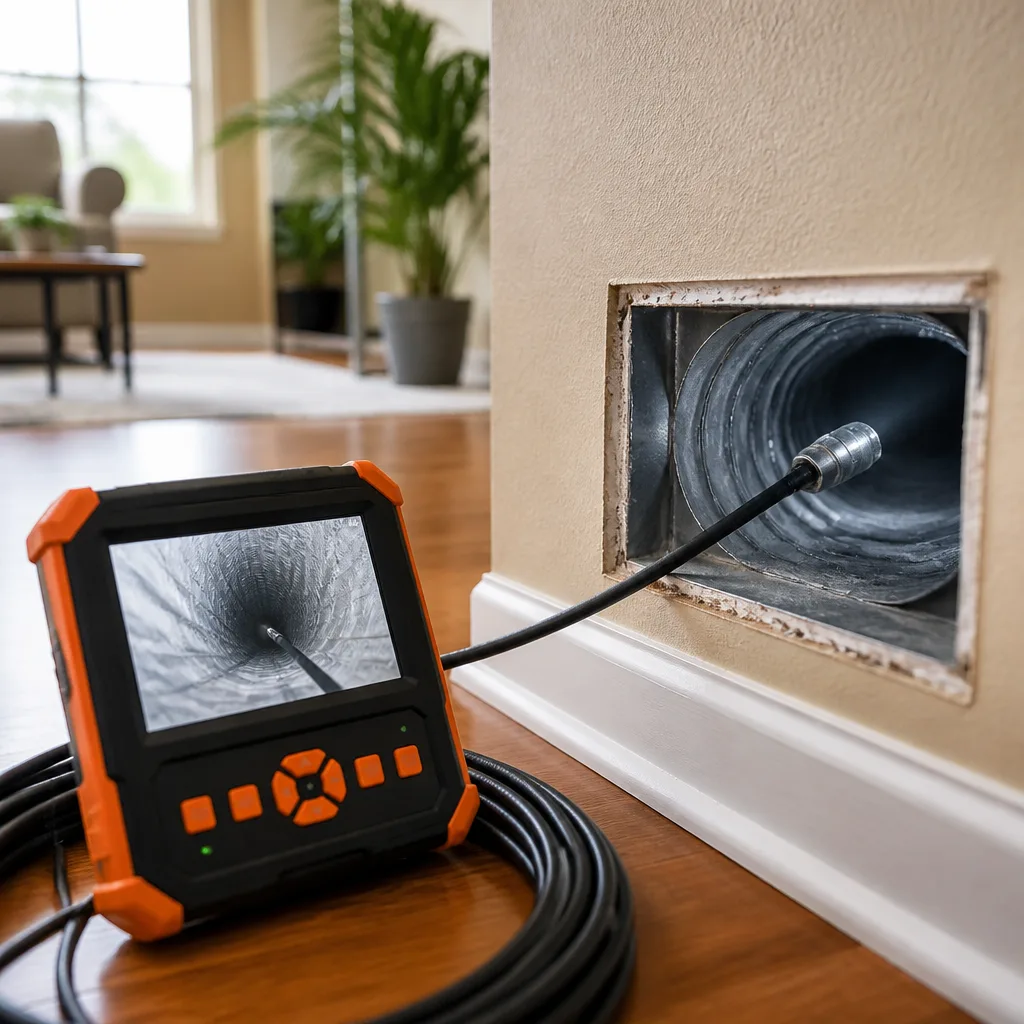
Every Air Duct Cleaning in Leesburg job we perform includes a Documented Photo Record: before and after images from inside every duct run, delivered to the customer as a standard job record. This practice, held since our first job in 2013, creates an unusual dataset. We can show you what homeowner-attempted cleaning looks like from the inside.
Three patterns appear consistently:
Pattern 1: The Scratch Lines. Shop vacuum hoses leave parallel abrasion marks in the debris layer, typically 2-4 inches from the register opening. The debris itself remains; it has merely been groomed. This indicates the vacuum reached the boot but lacked the airflow to transport material out of the system.
Pattern 2: The Redistribution Zone. Debris that was concentrated near the register is now spread unevenly across the first 10-15 feet of duct, with heavier accumulation at the first elbow where airflow velocity dropped. The homeowner did not remove particulate; they relocated it to a position where the HVAC system will re-entrain it more efficiently during operation.
Pattern 3: The Moisture Mark. Darkened, matted debris with a slightly greasy appearance indicates moisture introduction. This is common when homeowners use spray cleaners near registers or when condensation forms on cold tools in humid attic spaces. In Leesburg’s climate, where summer dew points regularly exceed 70°F, this pattern appears more frequently than in drier regions.
Professional cleaning with truck-mounted negative-pressure extraction and rotary agitation removes the debris layer entirely. The after photo shows bare metal or the interior surface of flex duct, with no remaining accumulation at elbows or transitions. The difference is not incremental; it is categorical.
Real Cost Comparison: Equipment, Time, and Hidden Expenses
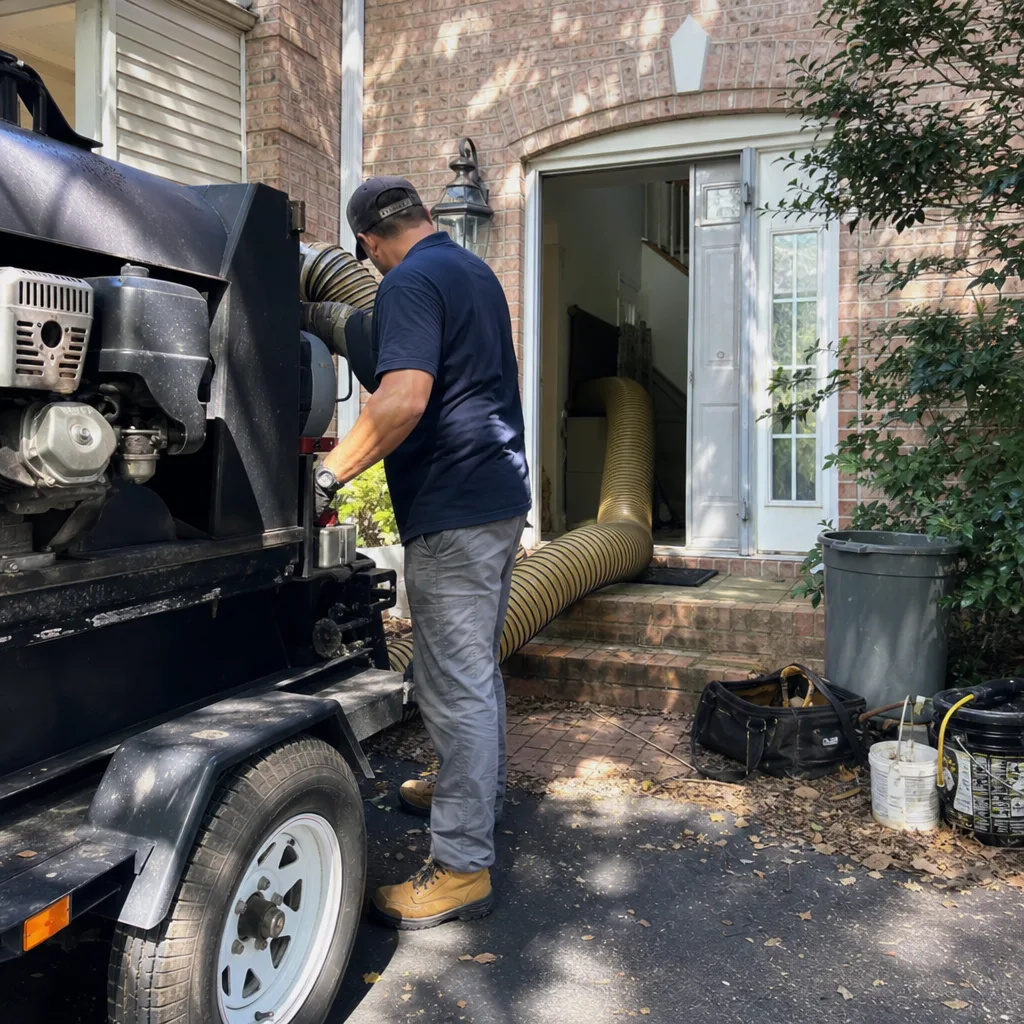
The standard DIY-versus-professional comparison frames the decision as $0 versus the first quote received. This is incorrect. DIY duct cleaning has real costs, and professional cleaning in Leesburg has a documented price range that can be stated in writing before any work begins.
DIY Cost Inventory
| Item | Cost Range | Notes |
|---|---|---|
| HEPA shop vacuum rental or purchase | $80-$400 | Rental for 24 hours; purchase for ongoing use. Standard shop vacs are not HEPA; true HEPA filtration requires separate purchase. |
| Rotary brush kit rental | $50-$150/day | Consumer-grade brushes lack the torque to agitate adhered debris; may damage flex duct if forced. |
| Register removal tools, cleaning supplies | $25-$50 | Basic hand tools, detergent, brushes, towels. |
| Replacement HVAC filters (post-disturbance) | $40-$120 | DIY cleaning releases particulate that loads filters rapidly; expect 2-3 replacements in the following month. |
| Time investment | 6-12 hours | Research, equipment pickup, execution, cleanup, return. Valued at homeowner’s discretion. |
| Potential damage repair | $200-$2,000+ | Dislodged flex duct, damaged fire dampers, moisture-related mold remediation. Insurance may not cover. |
| Total realistic DIY range | $195-$2,720+ | Excluding time valuation and highest-risk damage scenarios. |
Professional Cleaning in Leesburg
CleanRun Air Duct Cleaning Leesburg quotes every job with a written price before work begins, under Haven Standard Clause 1. Whole-home air duct cleaning for a typical Leesburg residence, defined as 1,200-2,400 square feet with 8-14 registers, ranges from $450 to $850. This includes:
- Negative-pressure extraction with truck-mounted equipment
- Rotary brush agitation of every duct run
- Plenum cleaning and inspection
- Before-and-after photography of every duct run, delivered as a Documented Photo Record
- 365-Day Done Right Promise in writing
The price is agreed before a single panel comes off. There is no per-vent pricing, no add-on discovery, no coupon that balloons at the door. For homes with additional returns, zone dampers, or ductwork in conditioned crawl spaces, the written quote reflects the actual scope.
When we perform CleanRun Air Duct Cleaning Leesburg home services, the customer receives a complete job record: written scope, written price, photographic documentation, and warranty terms. This is not an upgrade; it is standard on every visit.
The Liability Question: Damage, Codes, and Insurance in Loudoun County
Leesburg falls under Loudoun County building code jurisdiction, with additional requirements for properties within town corporate limits or subject to homeowners association covenants. DIY duct cleaning creates three liability exposures that most homeowners do not consider until a problem occurs.
Flex duct damage. Modern flex duct, common in Leesburg construction from 2000 forward, consists of a wire-reinforced plastic inner liner surrounded by fiberglass insulation and a vapor barrier. Consumer rotary brushes catch on the wire helix, tearing the inner liner or compressing the insulation. Repair requires replacement of the affected section, typically $300-$800 per run depending on attic or crawl space access. Standard homeowners insurance excludes damage caused by the named insured during maintenance activities; this is not a covered peril.
Fire damper dislodgement. Multi-family dwellings and some townhome configurations in Leesburg include fire dampers, spring-loaded metal curtains that close automatically to prevent fire spread between units. These are code-required and inspected at certificate of occupancy. Dislodging or damaging a fire damper during DIY cleaning creates a life safety violation and requires licensed fire protection contractor repair. The cost typically exceeds $1,000, and the property cannot legally be occupied until repair is documented.
Moisture introduction and mold. As noted, Leesburg’s humid climate amplifies this risk. If DIY cleaning introduces moisture that leads to mold growth, standard homeowners insurance excludes mold remediation unless a covered peril caused the moisture intrusion. Self-inflicted moisture does not qualify. Remediation costs in Loudoun County typically range from $2,000 to $10,000 depending on extent and location.
Professional technicians operating under Haven Standard Clause 3: Verified Crews carry general liability and workers compensation coverage, with license number published on every job documentation. CleanRun’s license number appears on every written quote and invoice, not buried in a footer. Damage caused by a background-checked, uniformed technician during scope-of-work activities is covered by the company’s policy and the 365-Day Done Right Promise.
How to Read a Professional Estimate in Leesburg
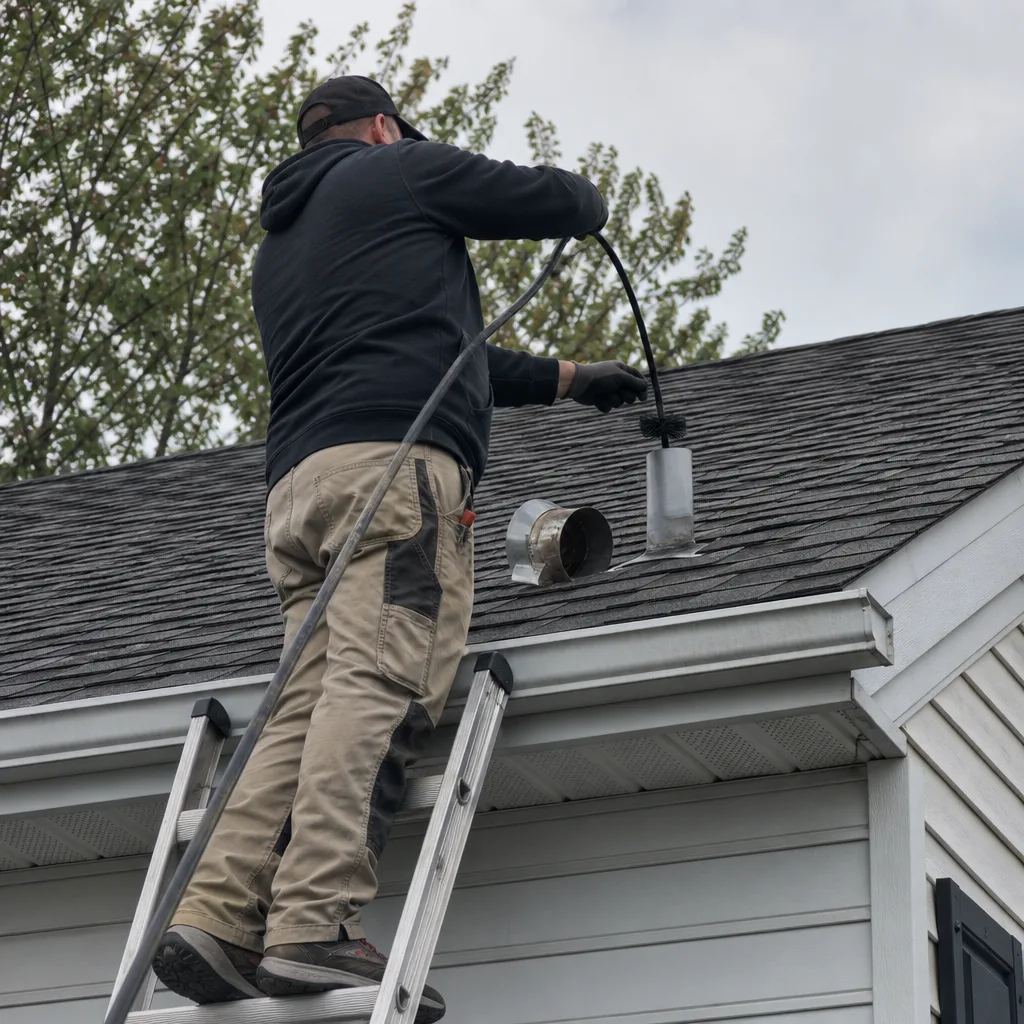
Not every company that offers duct cleaning in Leesburg operates with the same standards. The estimate document itself reveals whether you are buying a documented service or a vacuum visit. Here’s what to verify before signing.
- Written price for the complete system. Per-vent pricing, “starting at” language, or requirements to “call for final quote” indicate open-ended billing. CleanRun’s Haven Standard Clause 1 requires a single written price for the complete scope before work begins.
- Equipment specification. The estimate should name the equipment to be used. Professional-grade negative-pressure systems from Nikro, Abatement Technologies, or equivalent manufacturers operate at the CFM thresholds discussed above. If the estimate names only a “HEPA vacuum” with no CFM rating or manufacturer, you are not receiving truck-mounted extraction.
- Photo documentation commitment. “Before and after photos available upon request” is not the same as a Documented Photo Record included on every visit as a standard deliverable. The latter means photography is automatic, not optional, and you receive the images as part of your job record.
- Written guarantee with specific terms. “Satisfaction guaranteed” is not enforceable language. The 365-Day Done Right Promise specifies that if the work is not right, CleanRun makes it right, backed in writing on every job. Ask for the specific text before agreeing to service.
- License and insurance verification. Virginia requires HVAC contractors to hold a Class A, B, or C license for duct modification; duct cleaning specifically falls under varying interpretations. A legitimate Leesburg provider publishes their license number and carries general liability of at least $1 million. Verify through the Virginia Department of Professional and Occupational Regulation.
- No coupon dependency. The $79 duct cleaning coupon is a well-documented industry pattern: arrive with a low quote, discover “additional contamination,” and invoice for multiples of the advertised price. A written price agreed before work begins eliminates this possibility entirely.
Common Mistakes to Avoid
- Using a standard shop vacuum without HEPA filtration. Non-HEPA vacuums exhaust fine particulate through the motor cooling path. You are not cleaning your ducts; you are aerosolizing debris into the living space. In Leesburg’s tight new construction with limited natural ventilation, this concentrates indoor pollutants rather than removing them.
- Running the HVAC fan during DIY attempts. The fan creates positive pressure in the supply ducts, working directly against any extraction effort. It also drives loosened debris past the filter and into the coil, where it adheres to wet fins and becomes a biological growth medium.
- Ignoring flex duct fragility. The wire helix in flex duct catches brushes, rods, and aggressive vacuum attachments. Once torn, the inner liner cannot be repaired; the section must be replaced. In Leesburg’s summer attics, where temperatures exceed 140°F, this is not a task to attempt without proper equipment.
- Neglecting the plenum. The plenum, the large sheet-metal box attached to your air handler, is the distribution point for all conditioned air. Debris here bypasses individual duct runs and contaminates the entire system. It requires access panel removal and negative-pressure containment; consumer tools cannot reach it effectively.
- Assuming visible register cleanliness indicates clean ducts. Registers are the easiest 2% of the system to clean. The remaining 98%, including trunk lines, branches, and the plenum, determines actual system cleanliness. Camera inspection is the only verification method.
- Accepting verbal pricing or “estimate ranges.” The bait-and-switch reputation of this industry exists because consumers agree to vague pricing. A written price before work starts, with scope defined, is the only protection. CleanRun has delivered written prices on every job since 2013; no exceptions.
- Skipping the dryer vent. In Leesburg’s older neighborhoods near downtown, where homes may have original 1980s construction with long dryer vent runs through finished walls, lint accumulation is a separate fire hazard from duct contamination. Dryer Vent Cleaning in Leesburg requires different equipment and should be addressed on its own schedule, typically annually.
When to Call a Professional
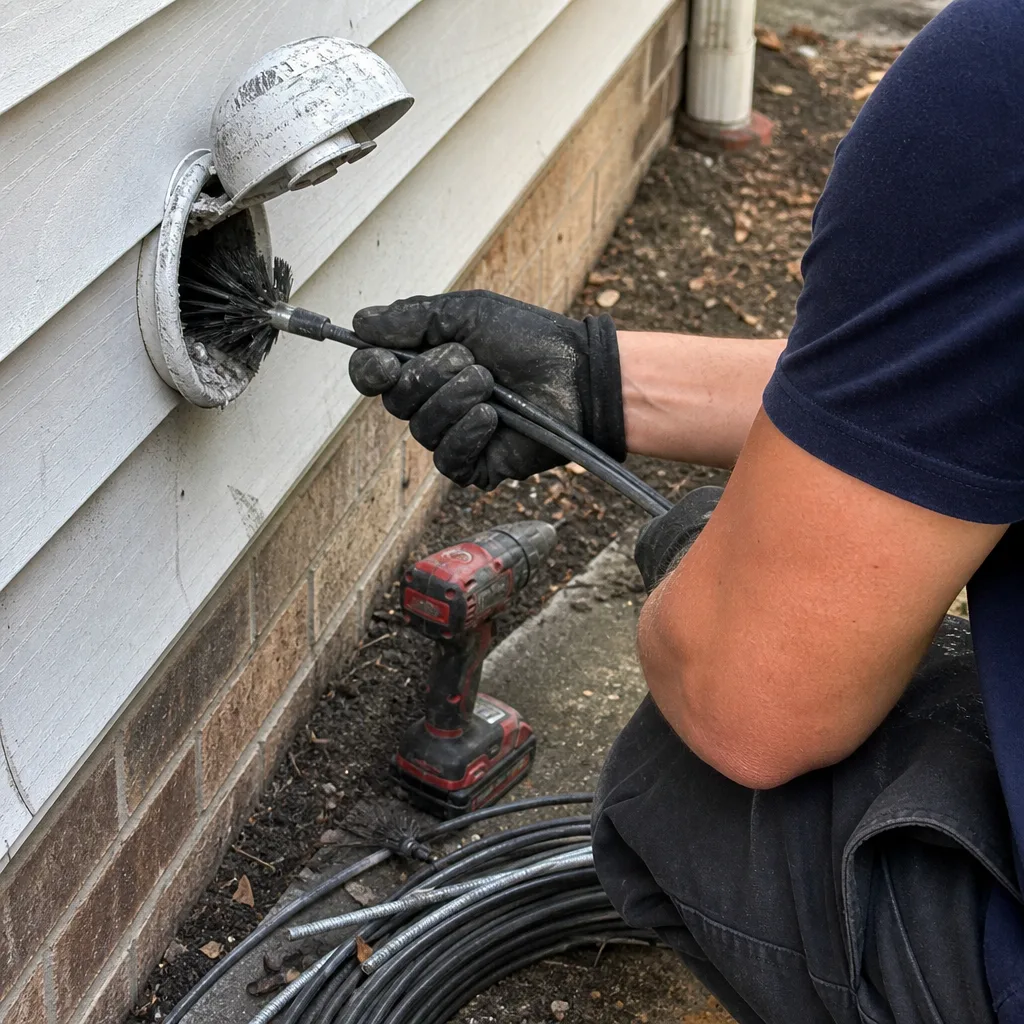
Call a professional when the task requires negative-pressure extraction at professional CFM ratings, when ductwork is inaccessible or damaged, when code compliance is uncertain, or when you need documentation for warranty, insurance, or real estate transaction purposes. In Leesburg, where home values in neighborhoods like Belmont Country Club and River Creek regularly exceed $800,000, the cost of professional cleaning is minor compared to the cost of undocumented damage or failed inspection.
Specific scenarios that warrant immediate professional contact: visible mold growth in or near registers; persistent musty odor when HVAC operates; recent renovation with drywall dust or construction debris; rodent or insect infestation evidence; or purchase of a home with no documented duct cleaning history. CleanRun Air Duct Cleaning Leesburg offers free estimates in Leesburg - call (571) 487-7204. Every estimate includes a written price before work begins, and a Free Second Opinion on any written competitor quote is available at no cost.
Frequently Asked Questions
Whole-home air duct cleaning in Leesburg typically ranges from $450 to $850 for a standard residential system, with the exact price determined by square footage, register count, duct accessibility, and whether the plenum or coil requires attention. CleanRun quotes a single written price for the complete system before any work begins, with no per-vent add-ons or post-arrival discoveries. Call (571) 487-7204 for a specific written estimate - estimates are free.
The $79-$149 coupon price typically covers register vacuuming only, with “additional services” discovered on arrival. A legitimate whole-system cleaning requires truck-mounted negative-pressure equipment, rotary agitation, and several hours of technician time; the equipment alone costs more than the coupon price to operate for a single job. Ask any low-quote provider for their CFM rating, equipment manufacturer, and whether photography of every duct run is included. The answers reveal whether you are buying extraction or vacuum noise.
Demand a Documented Photo Record showing the inside of every duct run before and after cleaning. CleanRun has included this as a standard deliverable on every job since 2013. Images should show bare metal or clean flex duct interior, not merely groomed debris. If a company cannot or will not provide this, you have no verification that extraction occurred.
For Leesburg homes with standard occupancy and no special risk factors, every 3 to 5 years is typical. Homes with pets that shed heavily, residents with respiratory sensitivities, recent construction, or homes near agricultural or high-traffic areas may benefit from more frequent service. The definitive indicator is camera inspection showing debris accumulation exceeding 1/8 inch or visible contamination. Filter quality and replacement schedule also affect frequency; MERV 11 or higher filters changed on schedule extend cleaning intervals.
Register cleaning removes visible debris at the terminal point and reduces immediate recirculation of large particles. It does not address the trunk lines, branches, or plenum where the majority of system debris accumulates. For homeowners in Leesburg’s newer construction with open floor plans and longer duct runs, register cleaning alone is insufficient to affect system-wide air quality. It is, however, a worthwhile maintenance task between professional cleanings.
Most HVAC manufacturer warranties do not specifically address duct cleaning, but they do exclude damage caused by improper maintenance. If DIY cleaning damages the coil, blower, or ductwork, the resulting repair is not covered. Equipment from Honeywell, Aprilaire, and other manufacturers specifies professional installation and maintenance for warranty eligibility. Documented professional service with licensed technicians protects warranty coverage and creates a service record that supports future claims.
The Bottom Line
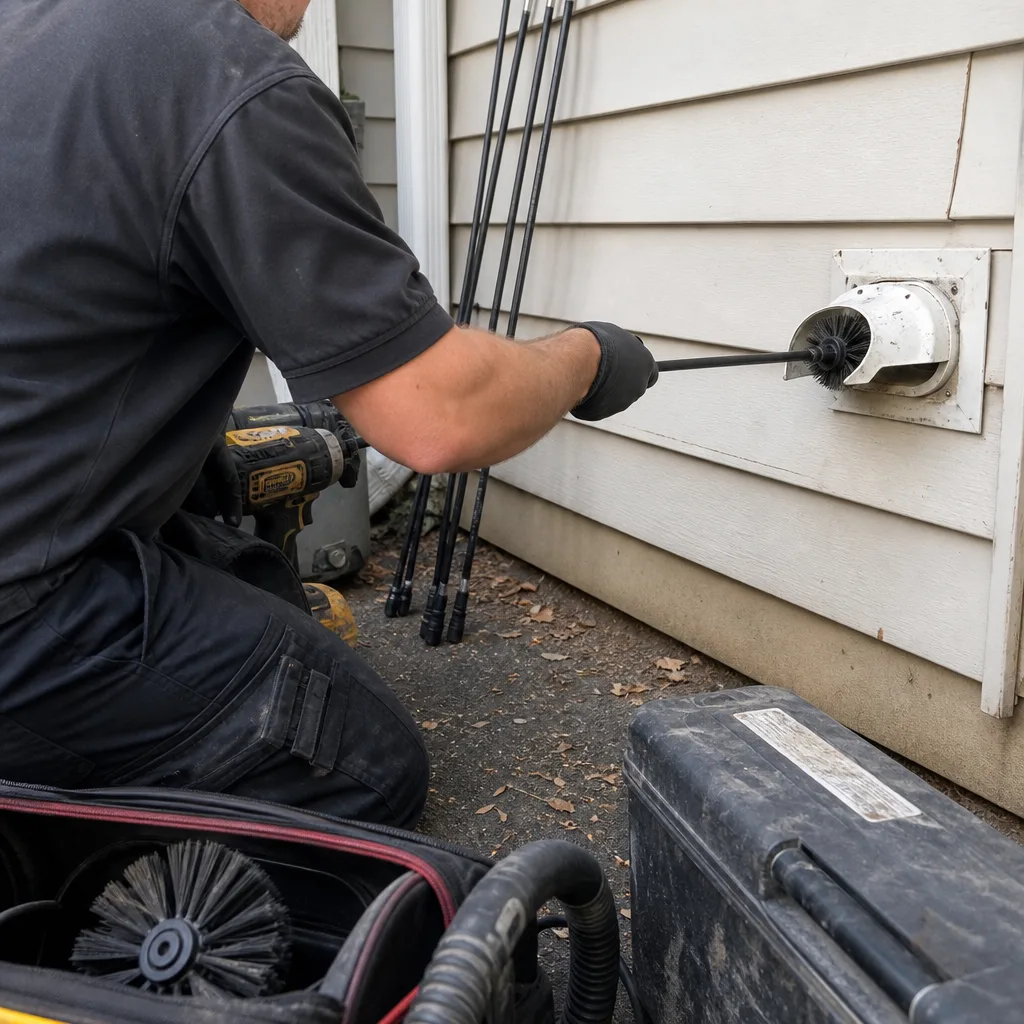
DIY duct cleaning fails not because homeowners lack effort, but because consumer equipment cannot achieve the negative-pressure differential required for extraction. The physics are unambiguous: 120 CFM at the register opening does not move debris through 25 feet of flex duct. What DIY accomplishes is redistribution, surface grooming, and occasional damage. The genuine DIY tasks, register washing, boot vacuuming, dryer vent brushing, and filter replacement, are worth doing and should be done regularly. Everything inside the sealed duct system requires professional-grade equipment, documented procedures, and verifiable results. In Leesburg, where home values and construction complexity have increased substantially since 2015, the cost of professional cleaning with written pricing, photographic documentation, and a written guarantee is both lower-risk and more accountable than the apparent savings of consumer-equipment rental.
Written by Tomas Reyes, Owner at CleanRun Air Duct Cleaning Leesburg, serving Leesburg since 2013.