
Last updated September 23, 2026
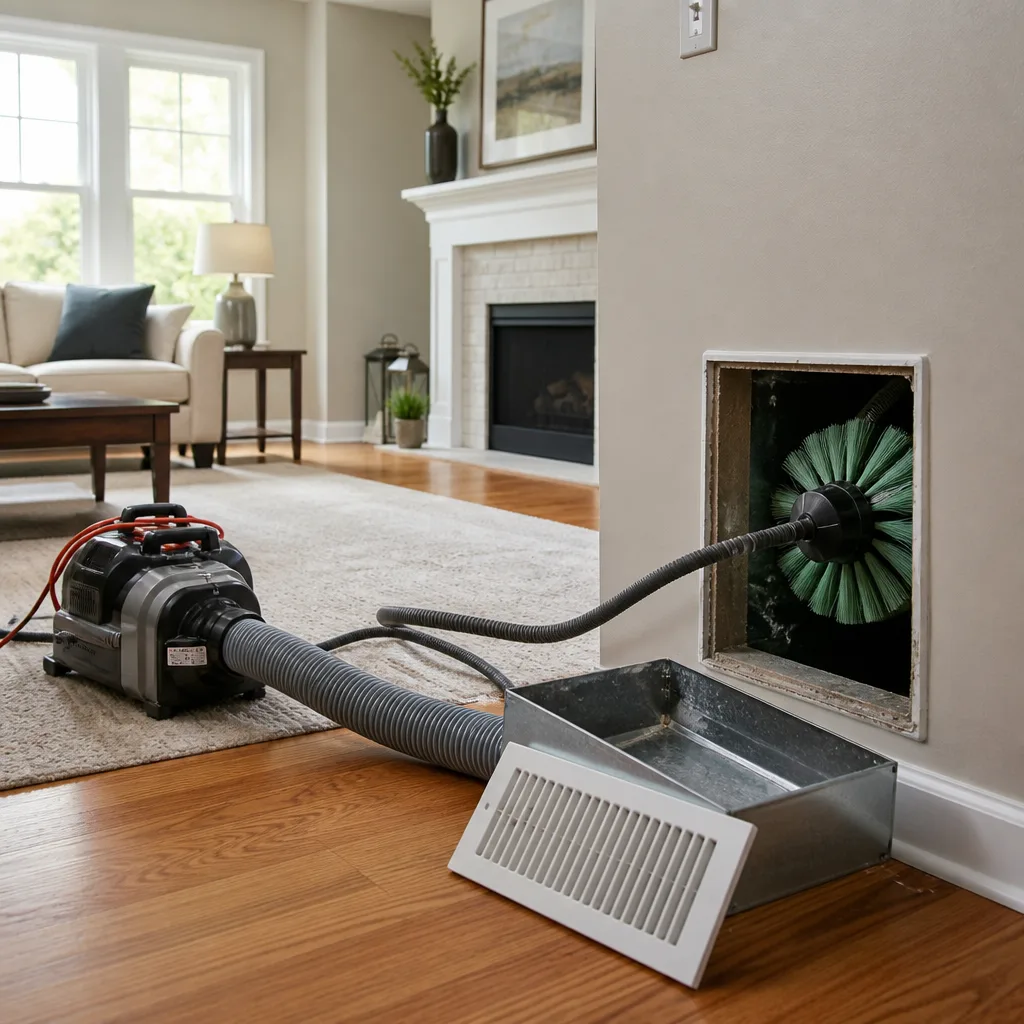
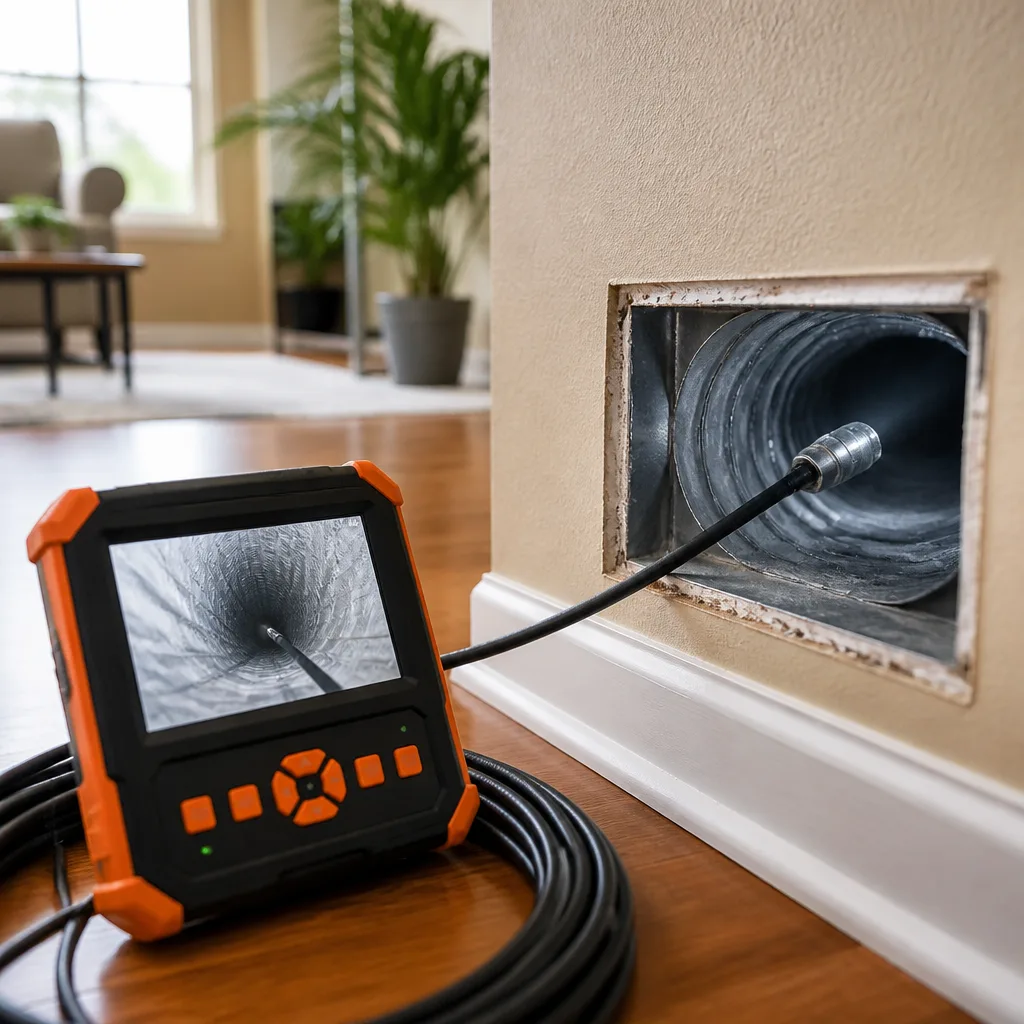
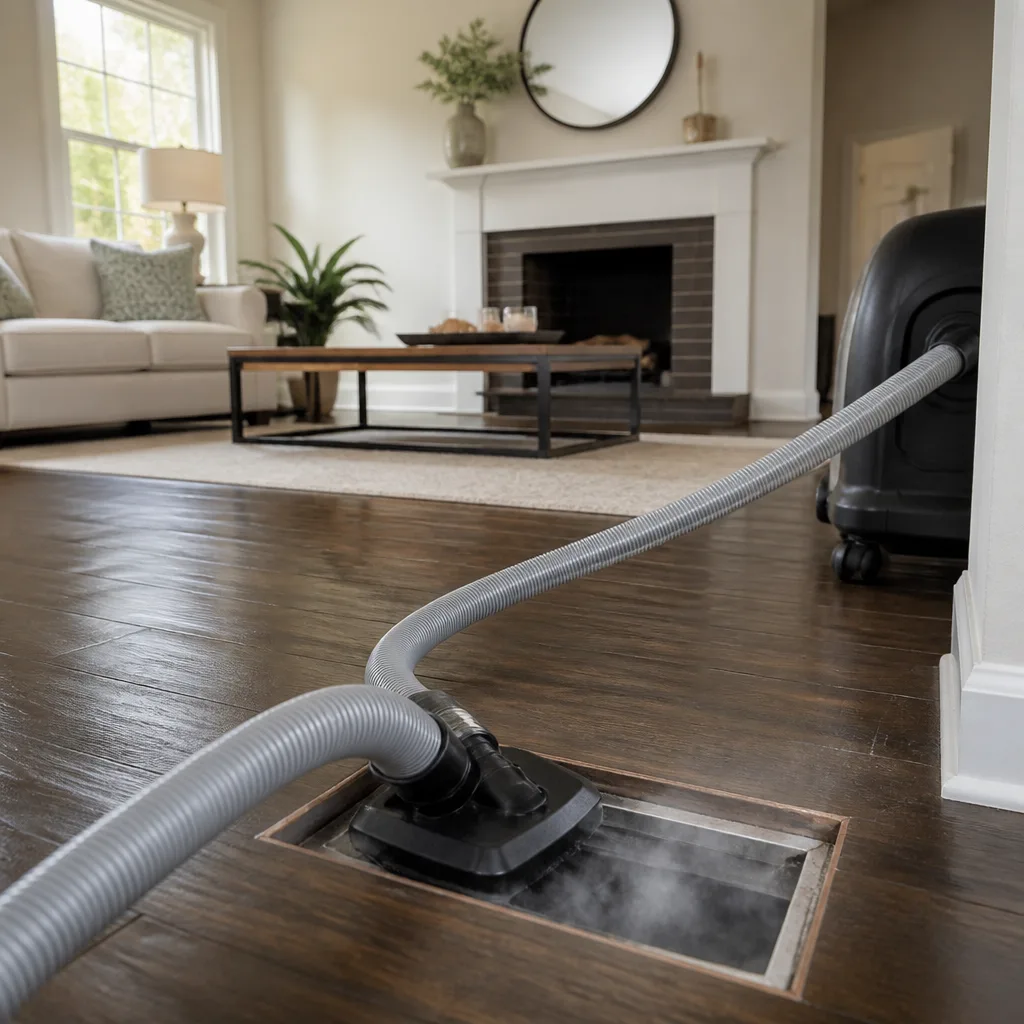
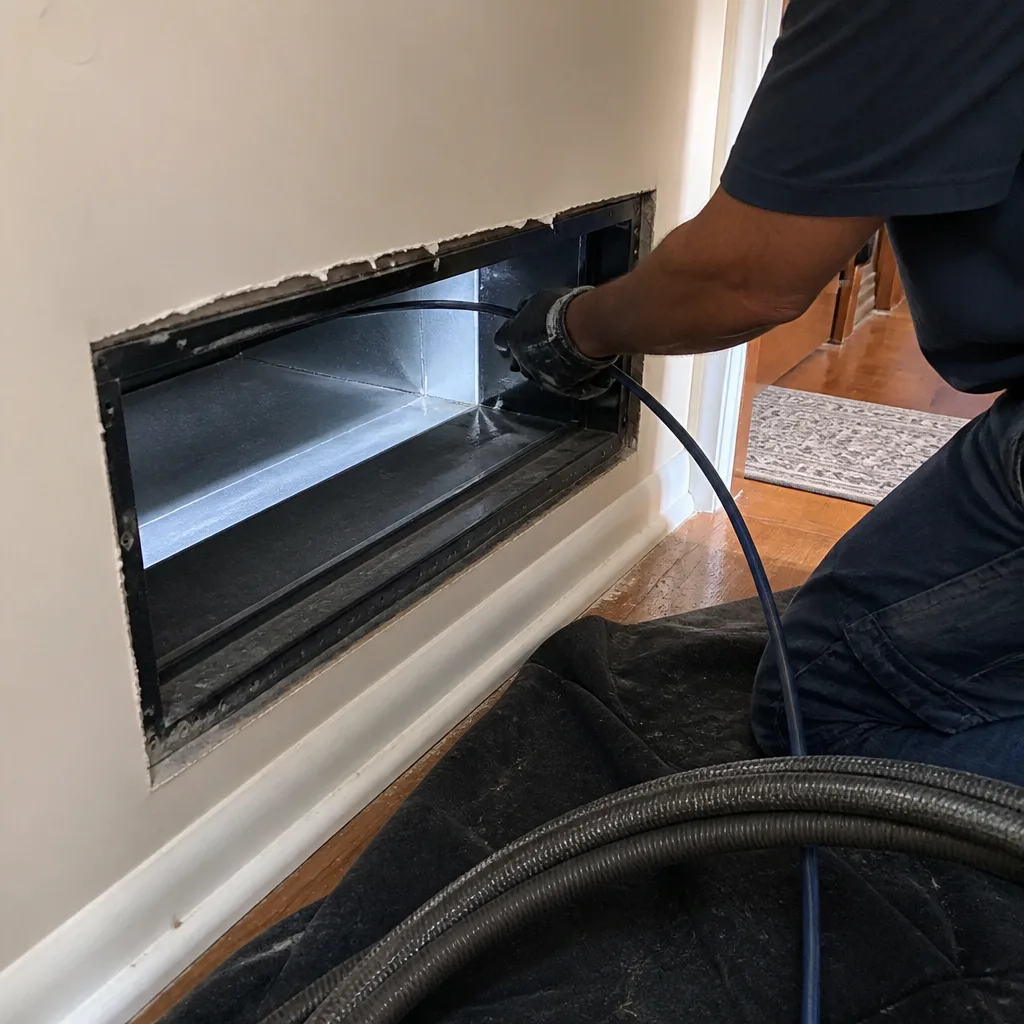
Whole-system duct and dryer vent check with before-and-after photos - you see exactly what came out of your vents
That "$99 whole-house special" is a bait ad - the real number appears once they are in your hallway, or the "clean" is a shop-vac at the register. We photograph the inside of your ducts before and after instead.
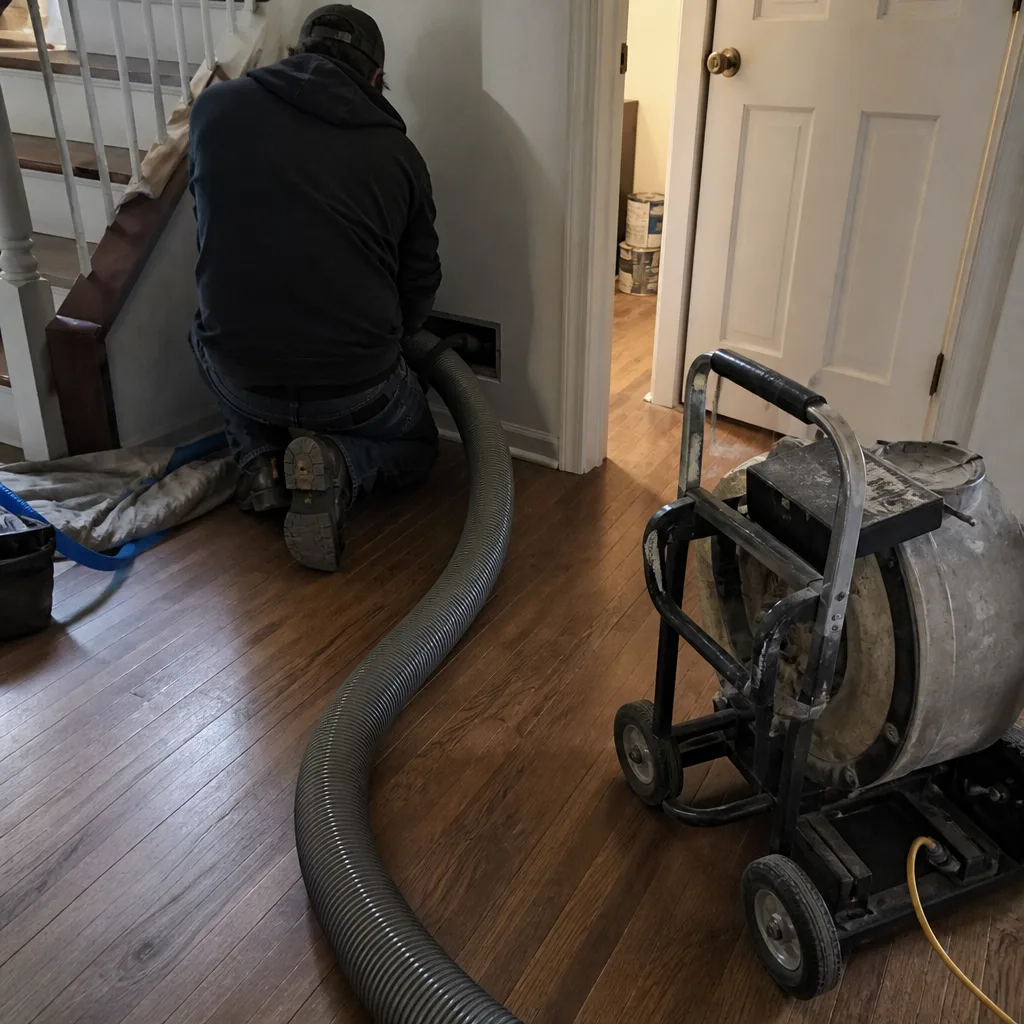 Before
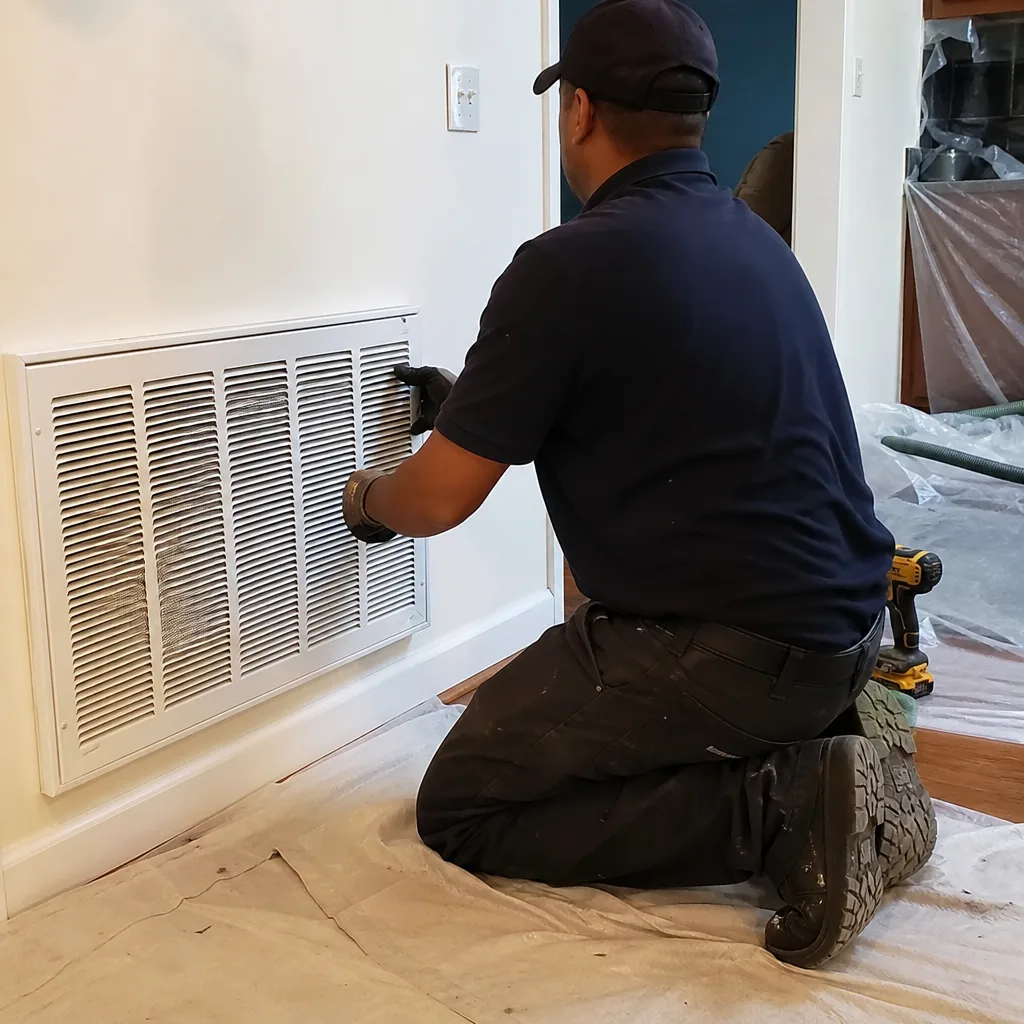 After
After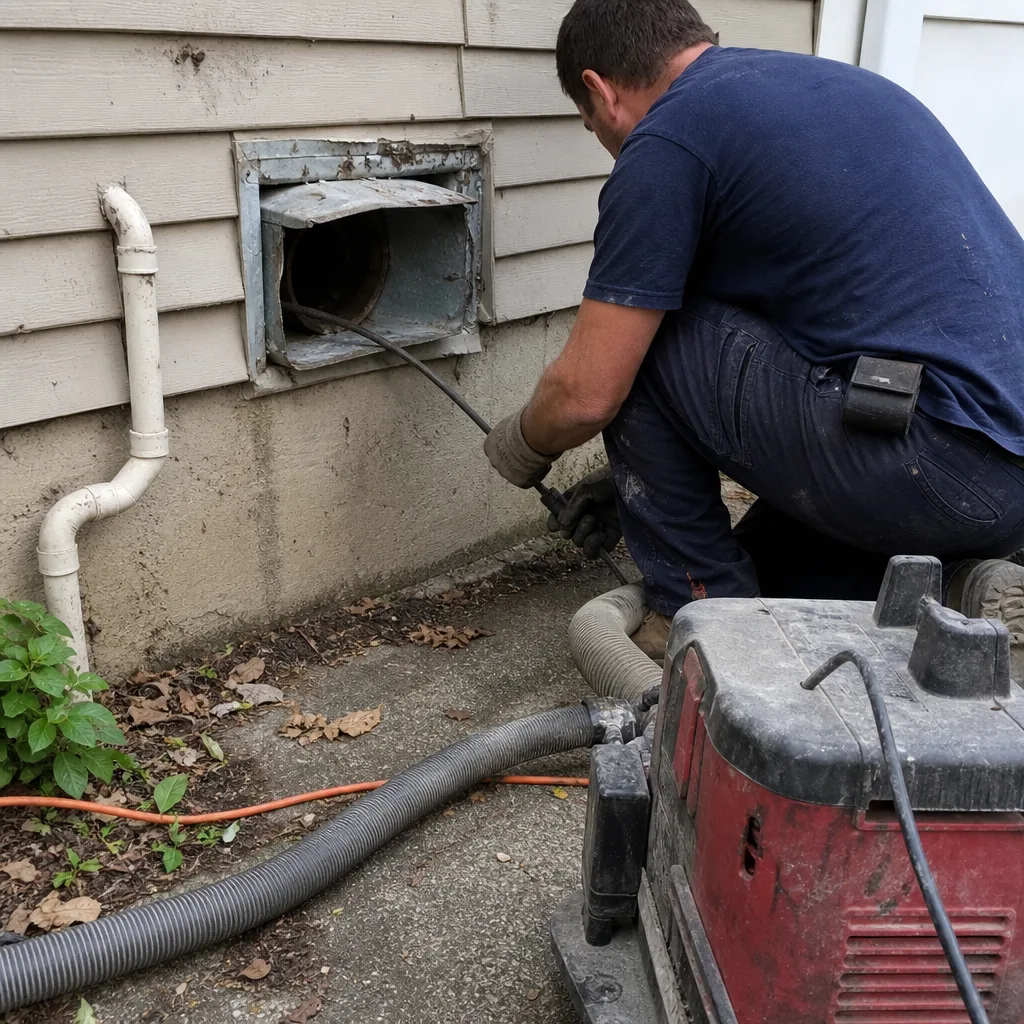 Before
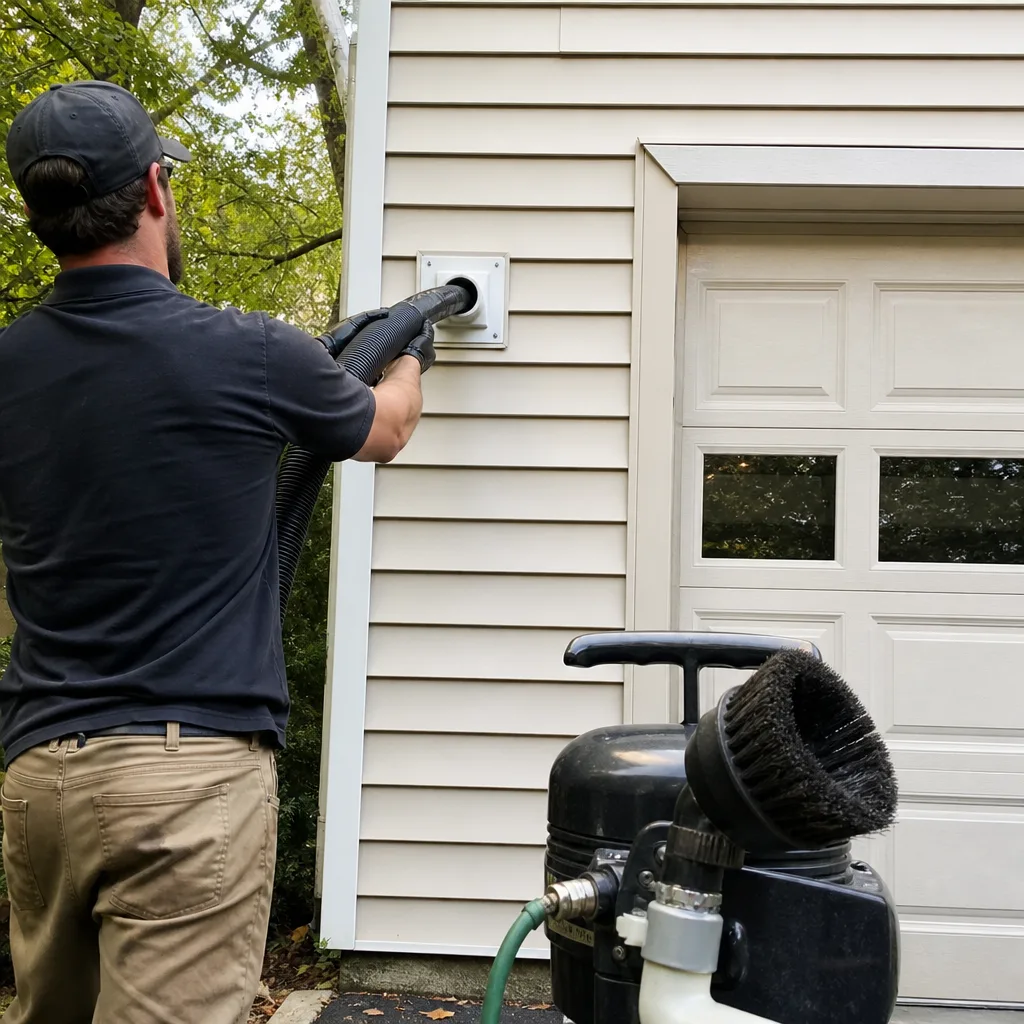 After
After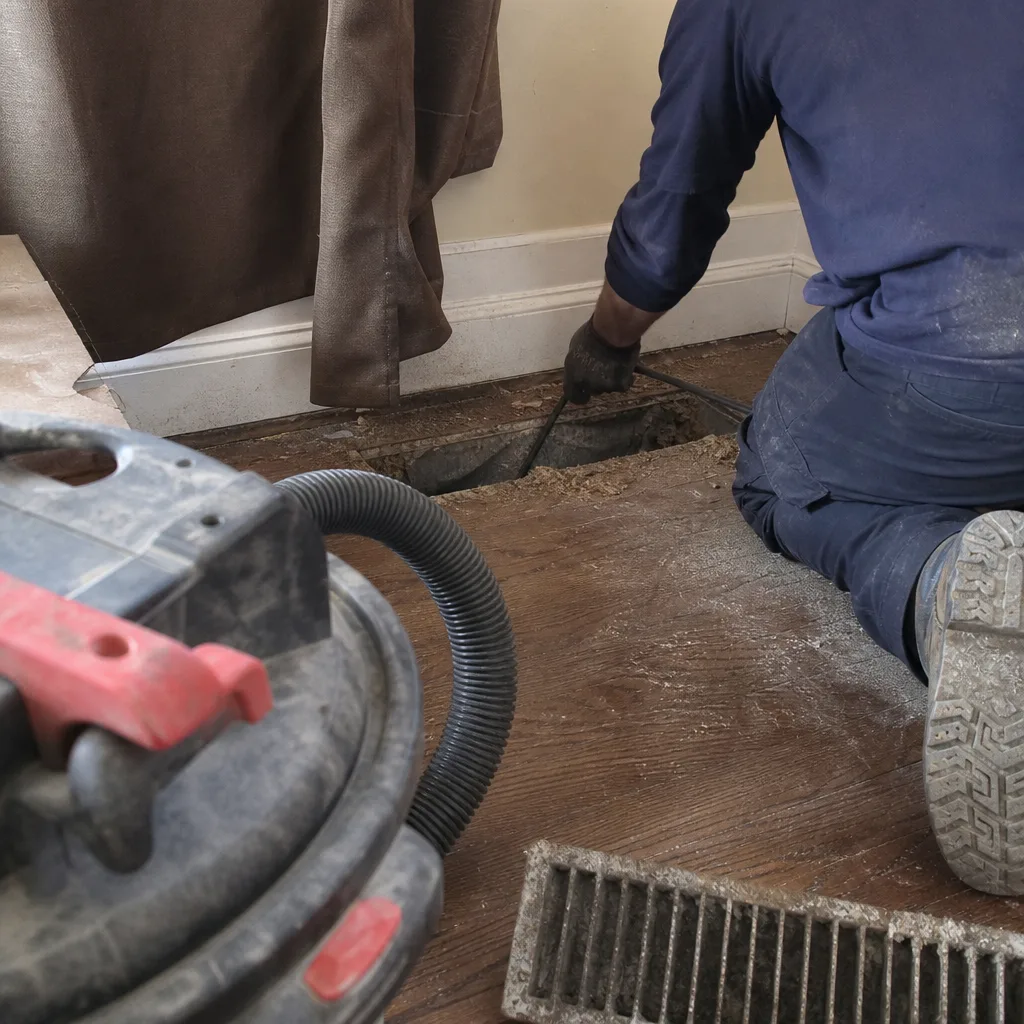 Before
 After
AfterSeasonal Air Duct Cleaning Care for Leesburg: Year-Round Homeowner’s Guide
Cleaning your ducts in March in Leesburg is like mopping the floor before the muddy boots have all come inside. Loudoun County’s oak and grass pollen season peaks in April and May, which means a spring cleaning scheduled too early often needs to be redone by June. In this guide, we’ll map Leesburg’s actual contaminant calendar month by month, explain why summer humidity in the Piedmont region changes what can be removed from your ducts, and show you the specific fall window when Northern Virginia homes get the most lasting benefit from a professional cleaning. You’ll learn how to time duct maintenance around real local conditions, not a generic national schedule.
Quick Answer
The best times for air duct cleaning in Leesburg are late May (after oak and grass pollen peak but before summer humidity sets in) and late October to mid-November (after leaf mold and ragweed decline but before continuous heating begins). Avoid March cleanings, which precede the heaviest pollen load, and mid-summer cleanings, when Piedmont humidity above 70% can cause loosened debris to re-adhere to duct surfaces before full extraction.
Table of Contents
- Leesburg’s Month-by-Month Contaminant Calendar
- Why Spring Timing Matters: The Pollen Problem
- Summer Humidity and What It Does to Duct Debris
- The Fall Window: Leesburg’s Most Underrated Cleaning Season
- Winter Heating Season: Maintenance, Not Deep Cleaning
- Post-Renovation Cleaning: A Separate Timeline
- A Loudoun County Filter and Inspection Schedule
- Common Mistakes to Avoid
- When to Call a Professional
- Frequently Asked Questions
 Before
 After
AfterLeesburg’s Month-by-Month Contaminant Calendar
Leesburg sits in the Piedmont region at roughly 350 feet elevation, where the Shenandoah Valley’s western air patterns meet the coastal humidity creeping up from the east. This geography creates a contaminant schedule that differs from both mountain and coastal Virginia. Here’s what actually enters duct systems here, and when.
January-February: Heating systems run 12-16 hours daily. The primary load is fine particulate from combustion and recirculated indoor dust. Ductwork in Leesburg’s older neighborhoods, like those near downtown or along King Street, often contains decades of accumulated drywall compound and plaster residue that gets stirred by continuous airflow. We see the heaviest register buildup in homes built between 1950 and 1985.
March: Maple and elm pollen begins. This is the trap month. Homeowners schedule cleanings thinking they’re getting ahead of allergy season, but oak pollen, the real volume driver in Loudoun County, hasn’t started yet. The Virginia Department of Environmental Quality typically records oak pollen counts rising sharply in the second week of April.
April-May: Peak pollen season. Oak, birch, and grass pollens dominate. Counts often exceed 2,000 grains per cubic meter during peak days. Duct systems with leaky return plenums (the central collection chamber that feeds air back to your HVAC unit) pull in enormous volumes of outdoor particulate through attic and crawl space gaps.
June-August: Humidity becomes the controlling factor. Relative humidity in Leesburg averages 72% in July. Debris that has accumulated in ducts begins to absorb moisture. Dry, flaky material that negative-pressure extraction (suction-based cleaning using a powerful vacuum connected to the duct system) removes easily in May becomes sticky and adherent by August.
September-October: Ragweed peaks in early September, typically the third week. Leaf mold begins as Loudoun County’s dense oak canopy starts shedding. This is a transitional period; some years, early cold snaps push homeowners to start heating, pulling leaf mold directly into return intakes placed near ground level.
November: The optimal fall window. Pollen counts drop below 100 grains per cubic meter. Humidity falls to 65% average. Heating systems are not yet running continuously. This is when we schedule our deepest cleanings for Leesburg customers who want results that last through winter.
December: Continuous heating begins. Any debris remaining in ducts gets recirculated constantly. Indoor air quality complaints peak in Leesburg during the week before Christmas, when families gather and notice odors or respiratory irritation they tolerated alone.
Why Spring Timing Matters: The Pollen Problem
The mistake we correct most often in Leesburg is the March cleaning. Homeowners receive a marketing mailer in February, book for March, and enjoy two weeks of improved airflow before the real pollen arrives.
Oak pollen in Loudoun County follows a predictable thermal pattern. The Potomac River to the north and the Bull Run Mountains to the east create a microclimate where oak catkins release when soil temperatures at 4-inch depth hold above 50°F for five consecutive days. This typically occurs between April 8 and April 18. Grass pollen follows, peaking in early May.
A duct system cleaned in March has no protective barrier against this influx. The cleaned metal surfaces actually offer less resistance to pollen adhesion than surfaces coated with fine dust. We have photographed this phenomenon: a duct run cleaned on March 15 and inspected on May 1 showed a visible pollen layer at the first elbow (the angled fitting that changes duct direction), while an uncleaned neighboring run in the same home showed pollen mixed with existing dust, not preferentially settling on bare metal.
The practical schedule for spring:
- Replace filters weekly during April and May, using MERV 11 or higher rated media.
- Inspect visible register (the vent cover where air enters your room) interiors with a flashlight after peak pollen; look for yellow-green accumulation.
- Schedule professional cleaning for the last week of May or first week of June, after pollen counts drop below 500 grains per cubic meter and before summer humidity peaks.
This timing means the cleaning removes the full spring load while conditions still favor complete extraction. In our experience with Leesburg homes since 2013, cleanings performed in this window show the longest interval before measurable reaccumulation.
Summer Humidity and What It Does to Duct Debris
The Piedmont region’s summer humidity is not just uncomfortable. It changes the physical state of material inside ductwork, which changes what professional equipment can remove.
At relative humidity above 70%, common household dust begins to absorb moisture and enter a semi-activated state. The hygroscopic (moisture-attracting) components, primarily skin cells and organic fibers, swell slightly. Fine particulate that was loosely adhered to duct walls develops a weak adhesive bond. In Leesburg’s July conditions, with humidity averaging 72% and frequently spiking to 85% during thunderstorms, this bonding becomes significant.
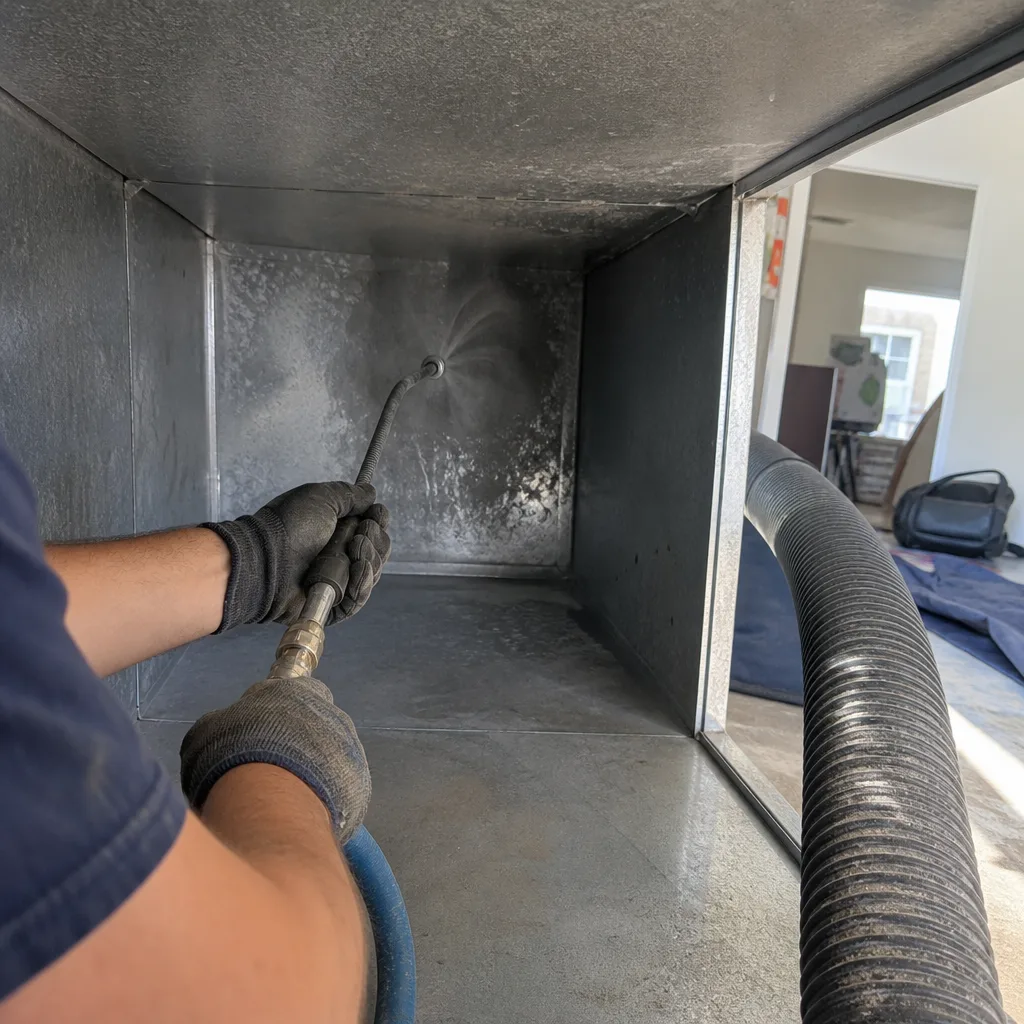
Negative-pressure extraction systems, including the Rotobrush and Nikro equipment we use, rely on airflow velocity to dislodge and capture debris. When material is moistened, the physics change. Dislodgement requires more aggressive mechanical action, which risks damaging flexible ductwork or dislodging sealed joints. The Abatement Technologies portable HEPA extractors we deploy can maintain suction, but the material captured is wetter and heavier, filling collection bags faster and potentially creating mold-conducive conditions in the waste stream if not handled promptly.
We do perform summer cleanings in Leesburg, particularly for homes with water intrusion events or visible mold concerns. But for routine maintenance, we advise customers that results in August may be 15-20% less complete than the same procedure in May or November, based on our documented photo records comparing seasonal outcomes.
Key summer considerations for Leesburg homeowners:
- Run your air conditioner enough to maintain indoor humidity below 60%, even if temperature settings are higher than usual. The Honeywell and Aprilaire whole-home dehumidification systems we install for some Leesburg customers are sized precisely for Piedmont conditions.
- If you must schedule summer cleaning due to a home sale or health concern, request morning appointments when overnight humidity has been partially processed by the HVAC system.
- Inspect your condensate drain line monthly. A clogged drain raises humidity in the air handler cabinet, which can spread moisture into the connected ductwork.
The Fall Window: Leesburg’s Most Underrated Cleaning Season
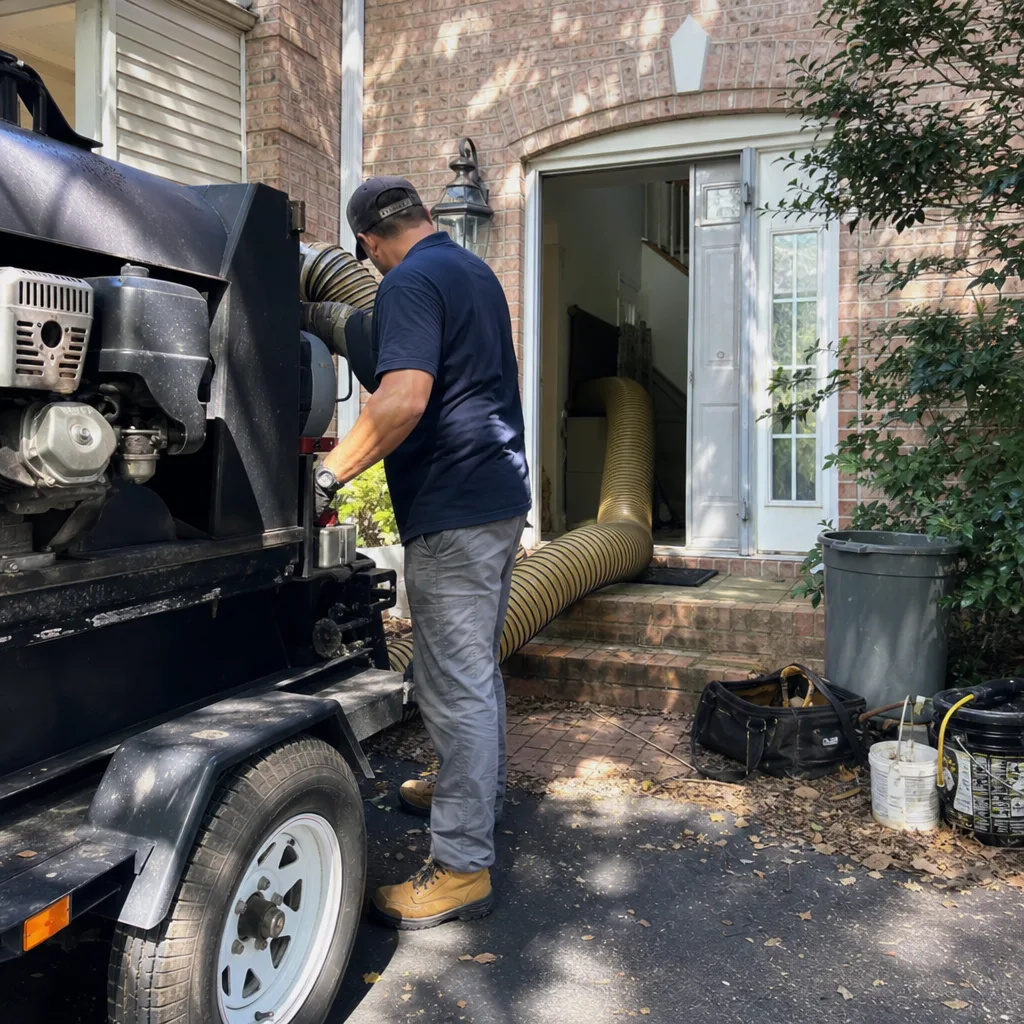
Late October to mid-November is the interval most Leesburg homeowners overlook, and it is often the best value in the annual cycle.
By late October, several conditions align. Ragweed pollen, which peaks the third week of September in Loudoun County, has dropped to trace levels. Leaf mold from oak and maple shedding, which accelerates after the first hard frost (typically October 20-25), has not yet reached maximum spore release. The heating system has likely been tested but is not running continuously. Relative humidity has fallen from summer peaks to the mid-60% range, where debris remains dry and extractable.
We see a pattern in our Leesburg customer records. Homes cleaned in this fall window typically show the cleanest re-inspection photos the following spring. The November cleaning removes the accumulated summer load, including any pollen that entered during September’s open-window weather, and leaves the system quiescent through winter. Without continuous heating to recirculate remaining particulate, what little debris enters during winter tends to settle rather than distribute.
Neighborhoods near the W&OD Trail and the wooded areas of northwest Leesburg see particular benefit. These homes experience higher leaf mold exposure due to canopy cover and less air movement in the settled valleys. The fall cleaning removes this load before it becomes a continuous winter irritant.
What to check before booking a fall cleaning:
- Verify your heating system starts and runs without unusual odors. A burning smell on first startup may indicate debris accumulation on heat exchanger surfaces, which duct cleaning alone will not address.
- Walk the exterior and note any new gaps around foundation penetrations, exterior wall seams, or window frames that developed over summer. These are return air leakage points that load the system with outdoor debris.
- Schedule before Thanksgiving if possible. Holiday cooking generates particulate and odor loads that a freshly cleaned system handles better, and you’ll have the documented photo record before guests arrive.
The 365-Day Done Right Promise applies equally to fall cleanings. If you notice accumulation or airflow issues before the next seasonal cycle, we return and make it right, backed in writing on every job.
Winter Heating Season: Maintenance, Not Deep Cleaning
December through February in Leesburg is the wrong time for deep duct cleaning for most homes, but it is the right time for targeted maintenance that preserves what was accomplished in fall.
Continuous heating changes airflow patterns. The temperature differential between supply and return air increases, creating stronger convection currents in duct runs. Any debris remaining after a fall cleaning gets redistributed more aggressively. Fine particulate that settled in low-velocity sections of the duct network gets stirred into suspension.
We recommend a winter maintenance protocol rather than deep cleaning during this period:
- Filter inspection every 30 days. The 1-inch fiberglass filters common in Leesburg tract homes from the 1990s and 2000s may need replacement this frequently during peak heating. Homes with 4-inch media filters, like the Aprilaire models we install, typically extend to 90 days but should be checked visually.
- Register and grille wipe-down with a damp microfiber cloth. This removes visible accumulation before it becomes airborne.
- Humidity monitoring. Winter humidity in Leesburg often drops below 30%, which can cause static electricity that attracts particulate to plastic duct surfaces. A humidifier set to 35-40% reduces this effect.
- Visual inspection of the air handler cabinet through the filter slot. Look for debris bypassing the filter, which indicates a poor seal or incorrect filter size.
Deep cleaning scheduled in January or February should be reserved for specific triggers: visible mold growth, pest intrusion, or post-construction dust that was not addressed in fall. For routine maintenance, wait for the May or November windows.
Post-Renovation Cleaning: A Separate Timeline
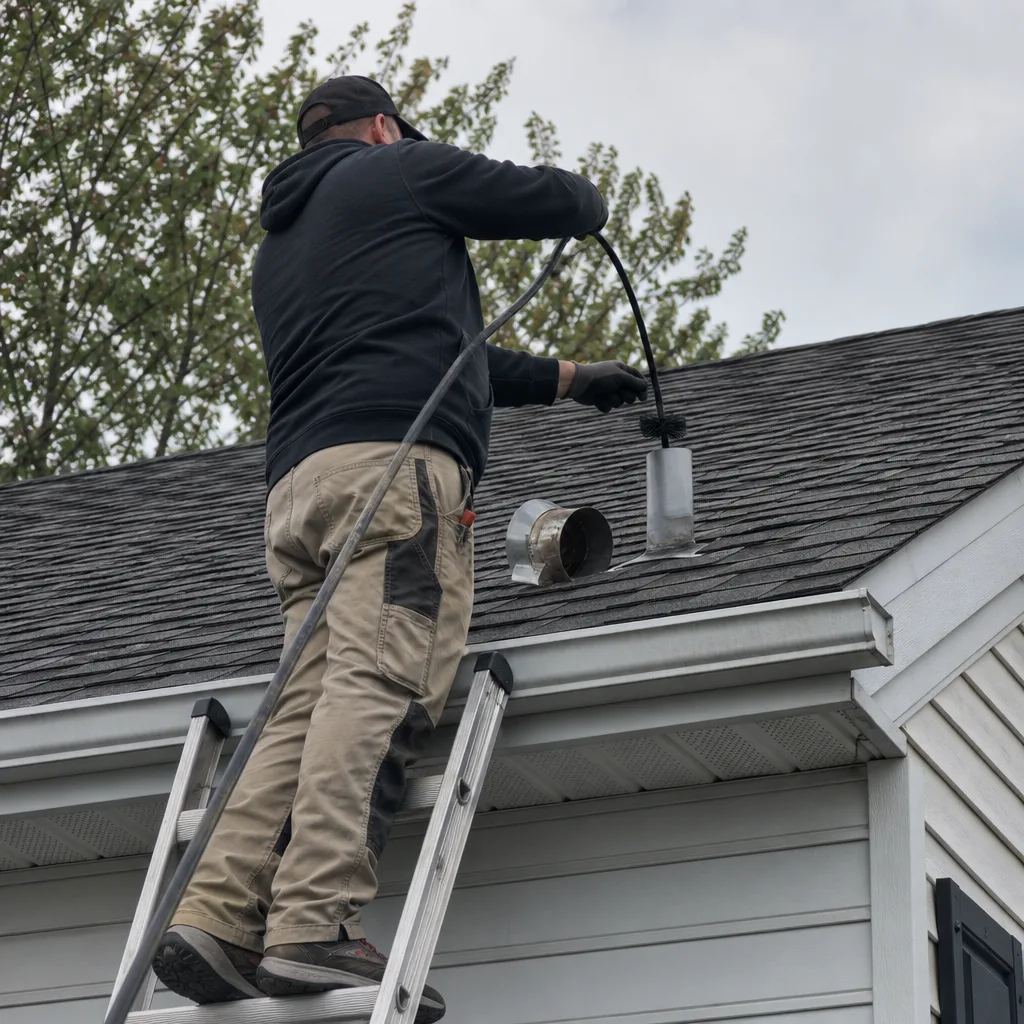
Home renovation in Leesburg’s established neighborhoods, from the historic district near Morven Park to the newer developments around Lansdowne, generates a contaminant load that operates on its own schedule, independent of seasonal pollen and humidity.
Drywall sanding, hardwood floor refinishing, and even minor bathroom updates produce fine particulate that enters duct systems through return air pathways. The critical fact most homeowners miss: this debris does not all enter immediately. Drywall compound dust, in particular, has a migration period of 30-60 days after construction ends. The material settles on horizontal surfaces, gets disturbed by normal activity, and gradually finds its way into floor-level returns.
We have documented this in Leesburg homes. A post-renovation cleaning performed one week after contractors leave typically shows moderate debris loads in the return plenum and main trunk lines. The same home, cleaned eight weeks later, shows 40-60% more material captured, with significant accumulation in branch ducts that were nearly clean in the early cleaning.
The post-renovation protocol we follow:
- Seal return registers during active construction if possible. This is the single most effective protective measure.
- Wait a minimum of 30 days after substantial completion before scheduling professional cleaning. For major renovations involving drywall, extend to 60 days.
- Run the HVAC system normally during this waiting period. Normal airflow helps the migration process complete, so the cleaning captures the full load rather than leaving material that will enter later.
- Request that the cleaning include the air handler cabinet and evaporator coil, not just duct runs. Renovation dust coats these components and reduces efficiency.
The Haven Standard Clause 1 applies: we deliver a written price before any work starts, every time, with no exceptions. For post-renovation jobs, this price includes the full scope, including cabinet and coil cleaning, so there is no add-on once the crew sees the condition.
A Loudoun County Filter and Inspection Schedule
Generic national filter schedules assume average national conditions. Leesburg’s specific pollen loads, humidity patterns, and housing stock require adjustment.
Filter replacement by season:
| Period | Filter Type | Replacement Interval | Reason |
|---|---|---|---|
| March-May | MERV 11-13 pleated | Every 3-4 weeks | Peak pollen; filters load rapidly |
| June-August | MERV 11 pleated | Every 6-8 weeks | Lower particulate, higher humidity; check for mold on filter media |
| September-October | MERV 11-13 pleated | Every 4-5 weeks | Ragweed and leaf mold; first heating startup stirs dust |
| November-February | MERV 11 pleated | Every 8-10 weeks | Lower outdoor particulate; continuous heating loads filters steadily |
Annual inspection points:
- March: Inspect outdoor condenser unit for debris from winter storms. Clear vegetation within 18 inches.
- May: Verify condensate drain flows freely before summer humidity peaks.
- September: Check attic insulation condition; disturbed insulation near ductwork indicates air leakage pulling particulate into returns.
- November: Inspect fireplace damper and chimney cap. A stuck-open damper creates a return air pressure imbalance that pulls outdoor debris into ducts.
For homes with Guardsman UV air purification systems we have installed, the UV-C lamp requires annual replacement, typically in November before continuous winter operation. The lamp degrades even when not lit, and a fresh installation ensures full effectiveness through the heating season.
Common Mistakes to Avoid
- Scheduling spring cleaning in March. Loudoun County’s oak pollen hasn’t peaked yet. You’re paying to clean ducts that will be reloaded within six weeks.
- Ignoring humidity timing. A July cleaning in Leesburg’s 72% average humidity extracts less material than the same procedure in drier months. The debris you see in post-cleaning photos may represent incomplete removal, not light initial accumulation.
- Cleaning immediately after renovation. Drywall dust migrates for 30-60 days. Early cleaning captures only the material that has entered; later migration requires a second service.
- Using the cheapest filter that fits. Fiberglass filters with no MERV rating protect the equipment but not your ducts. We regularly find 1-inch fiberglass filters bowed inward from suction, creating a gap that bypasses filtration entirely.
- Assuming new construction is clean. New Leesburg homes, particularly in developments like Woodlands or Riverside, often contain construction debris in ducts from the builder’s rough-in phase. The first cleaning should be scheduled before occupancy, not years later.
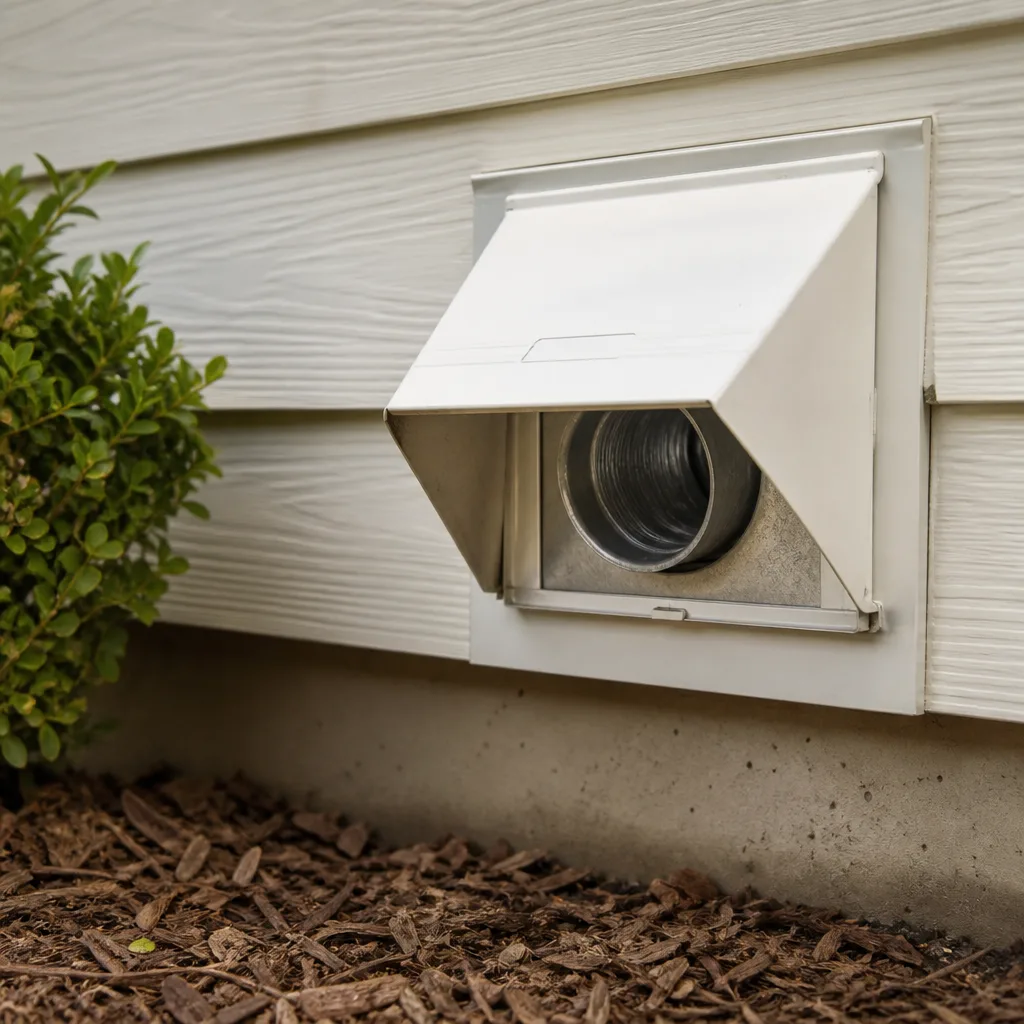
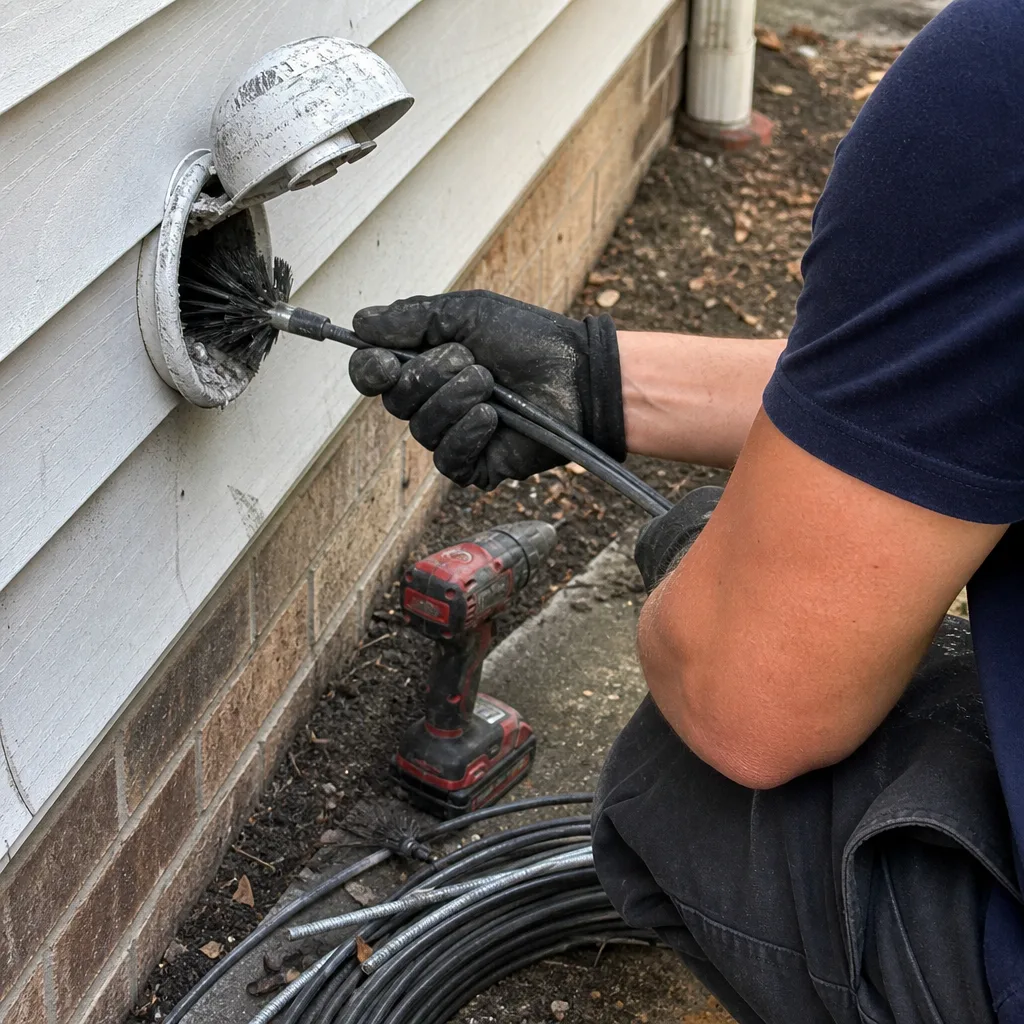
- Neglecting the dryer vent. Lint accumulation in the dryer vent duct, which often shares chase space with HVAC ductwork, creates a fire hazard and can raise humidity in adjacent spaces. Dryer Vent Cleaning in Leesburg should be scheduled annually, independent of HVAC duct timing.
- Accepting per-vent pricing. This model incentivizes superficial work. CleanRun’s written pricing is per system, agreed before work starts, with every duct run photographed before and after.
When to Call a Professional
Some conditions require immediate professional assessment regardless of seasonal timing. Call for service if you notice visible mold growth on registers or in the air handler cabinet, persistent musty odors that intensify when the system runs, airflow that has dropped noticeably in specific rooms, or debris blowing from supply vents. After any water intrusion event, including roof leaks or basement flooding, duct inspection should occur within 72 hours to prevent mold establishment.
CleanRun Air Duct Cleaning Leesburg offers free estimates in Leesburg. Every estimate includes a written price before any work starts, under Haven Standard Clause 1, and every completed job includes a Documented Photo Record of every duct run. Call (571) 487-7204 to schedule.
Frequently Asked Questions
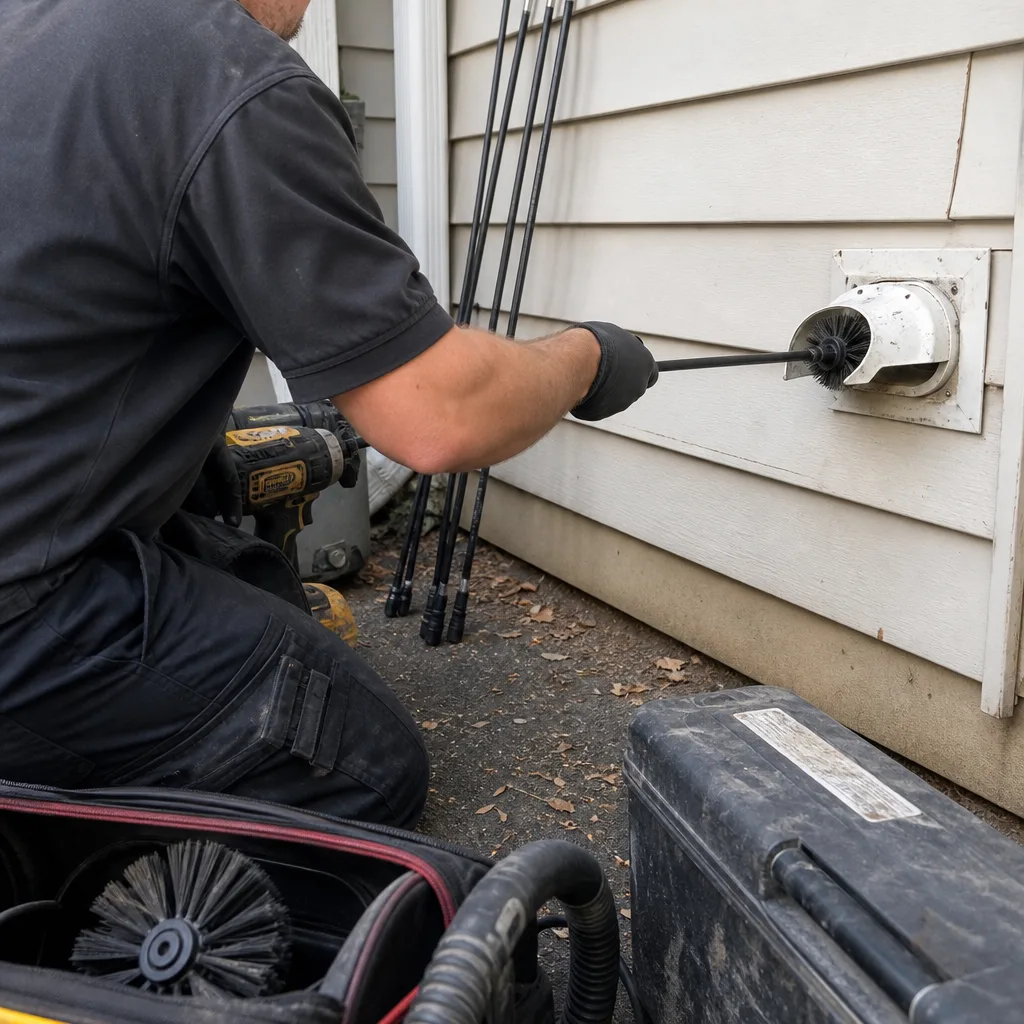
Whole-system Air Duct Cleaning Cost Breakdown: The Leesburg Homeowner’s Reference for 2026 shows typical Leesburg homes range from $450 to $850, depending on system size, accessibility, and contamination level. CleanRun delivers a written price before any work starts, with no per-vent add-ons or post-inspection upsells. Call (571) 487-7204 for an exact quote - estimates are free.
The $79-$149 coupon offers typically cover a brief vacuuming of visible register areas, not full-system cleaning with negative-pressure extraction and rotary brushing. The real cost emerges after the technician arrives and “discovers” additional charges. CleanRun’s pricing is per system, agreed in writing before work begins, with every duct run photographed before and after so you can verify what was done.
Request the documented photo record. CleanRun photographs the inside of every duct run before and after cleaning, delivering these images as part of the standard job record. If a company cannot show you the interior condition of your own ducts, you are buying a service you cannot verify.
Every 3-5 years for homes without specific risk factors, based on our experience with Leesburg’s pollen loads and housing stock. Homes with pets, recent renovations, or occupants with respiratory conditions may benefit from shorter intervals. The fall window (late October to mid-November) typically provides the longest-lasting results in this climate.
Homeowners can replace filters, wipe registers, and vacuum accessible return openings; see our more guides & resources for additional DIY tips. Deep cleaning of the full duct network requires professional-grade negative-pressure equipment and access tools that are not available for consumer rental. More importantly, ductwork in Leesburg homes often contains flexible sections and sealed joints that are easily damaged by improper mechanical action. We recommend professional service for anything beyond surface maintenance.
Moderately, in specific conditions. A heavily contaminated system with restricted airflow may see 5-15% efficiency improvement after cleaning. The primary benefit is indoor air quality and system longevity, not dramatic energy savings. Be skeptical of claims that duct cleaning will “slash your energy bills” - this is not what the measured data shows in Leesburg homes.
The Bottom Line
Leesburg’s four distinct seasons each load your duct system with different contaminants on a predictable schedule. The homeowners who get lasting results time their cleanings to the late May and late October windows, when pollen has peaked and humidity still permits complete extraction. Avoid March cleanings that precede the real pollen load, and understand that summer humidity changes what professional equipment can remove. Post-renovation cleaning follows its own 30-60 day timeline. For every seasonal decision, the documented photo record tells you what actually happened inside your ducts - not what you were told happened.
Written by Tomas Reyes, Owner at CleanRun Air Duct Cleaning Leesburg, serving Leesburg since 2013.